"The legacy of the Berlin Sound lives on in the C-tube as well."
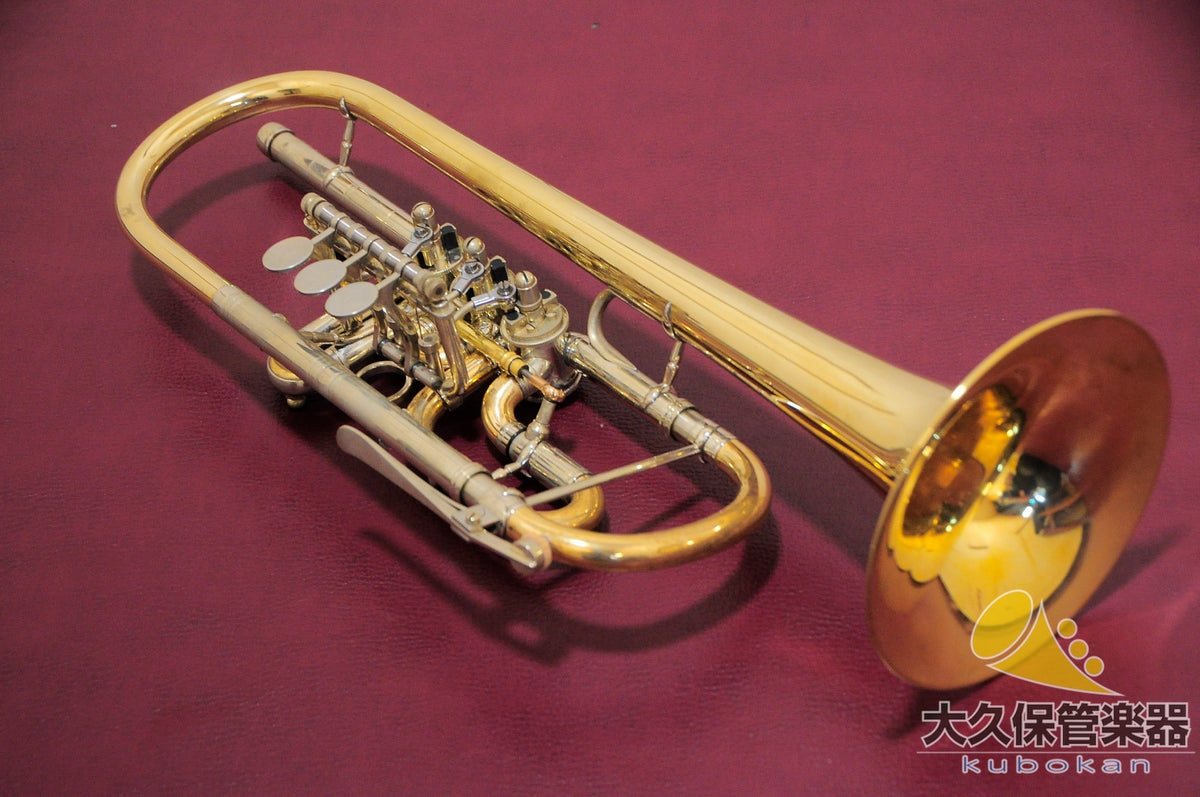
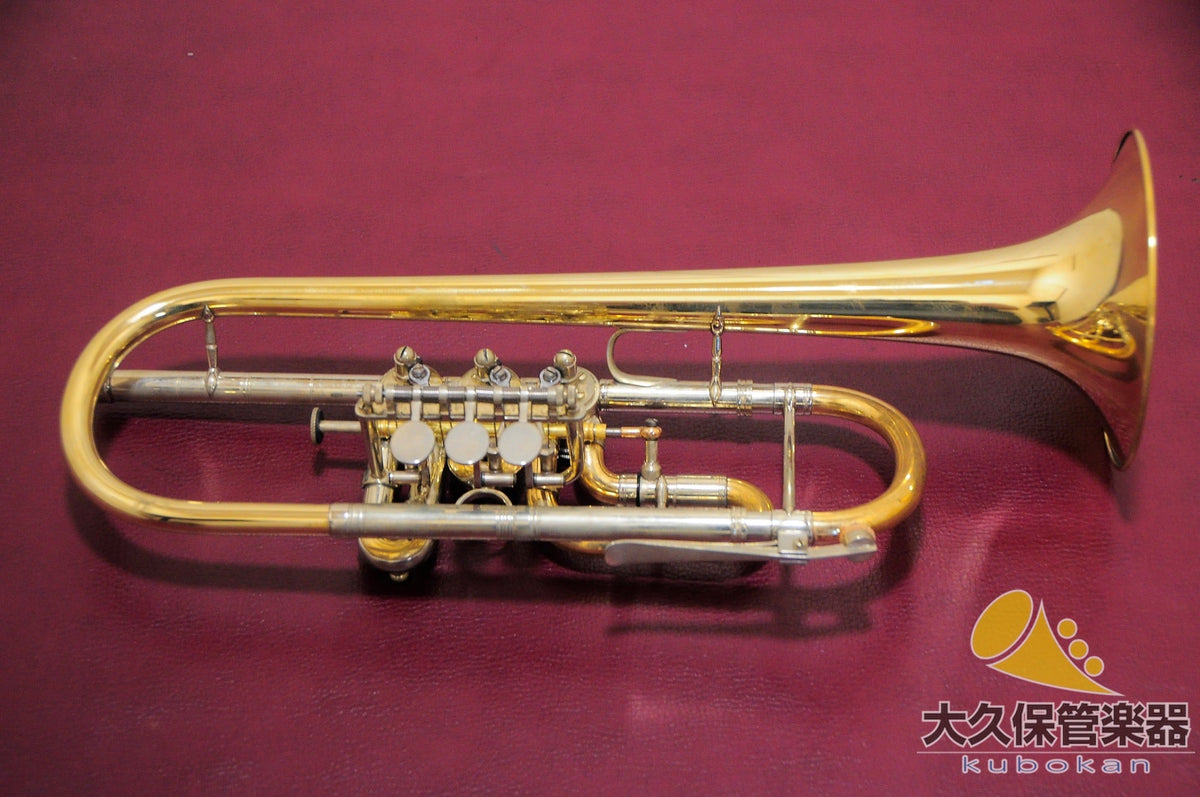
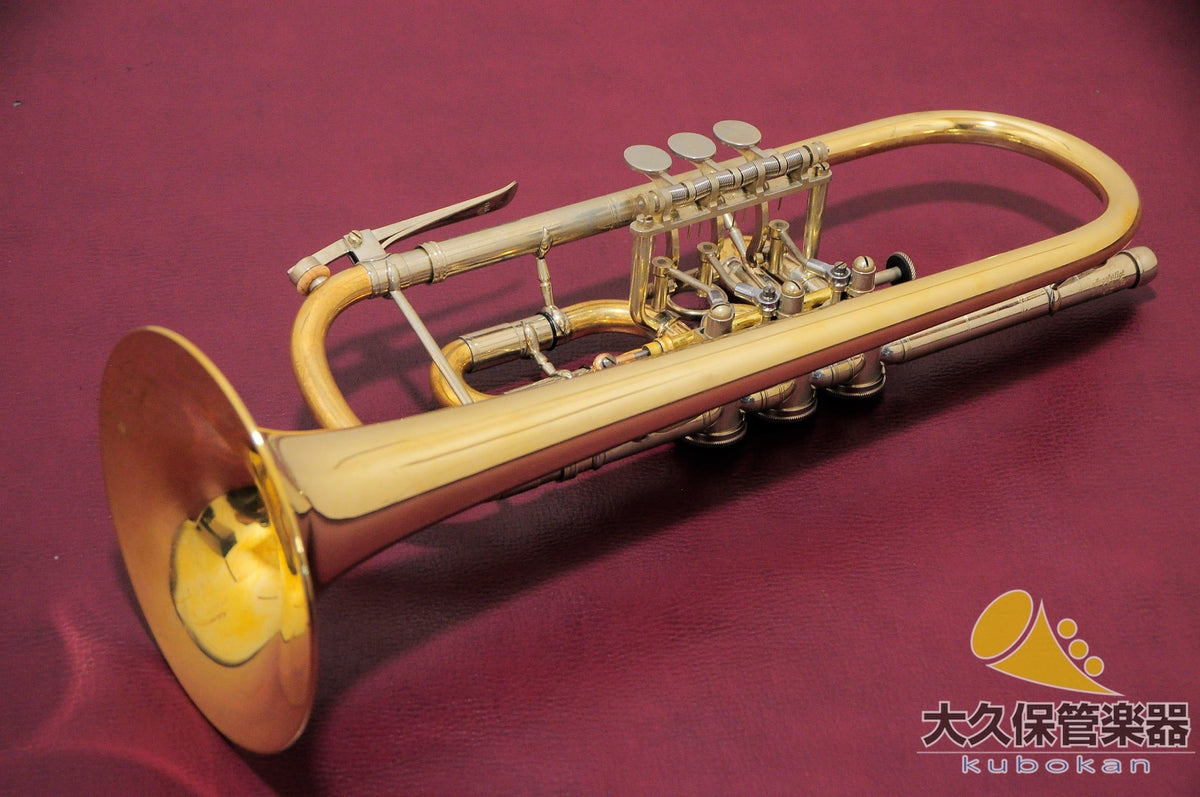
Josef Monke C Rotary Trumpet
[Overview]
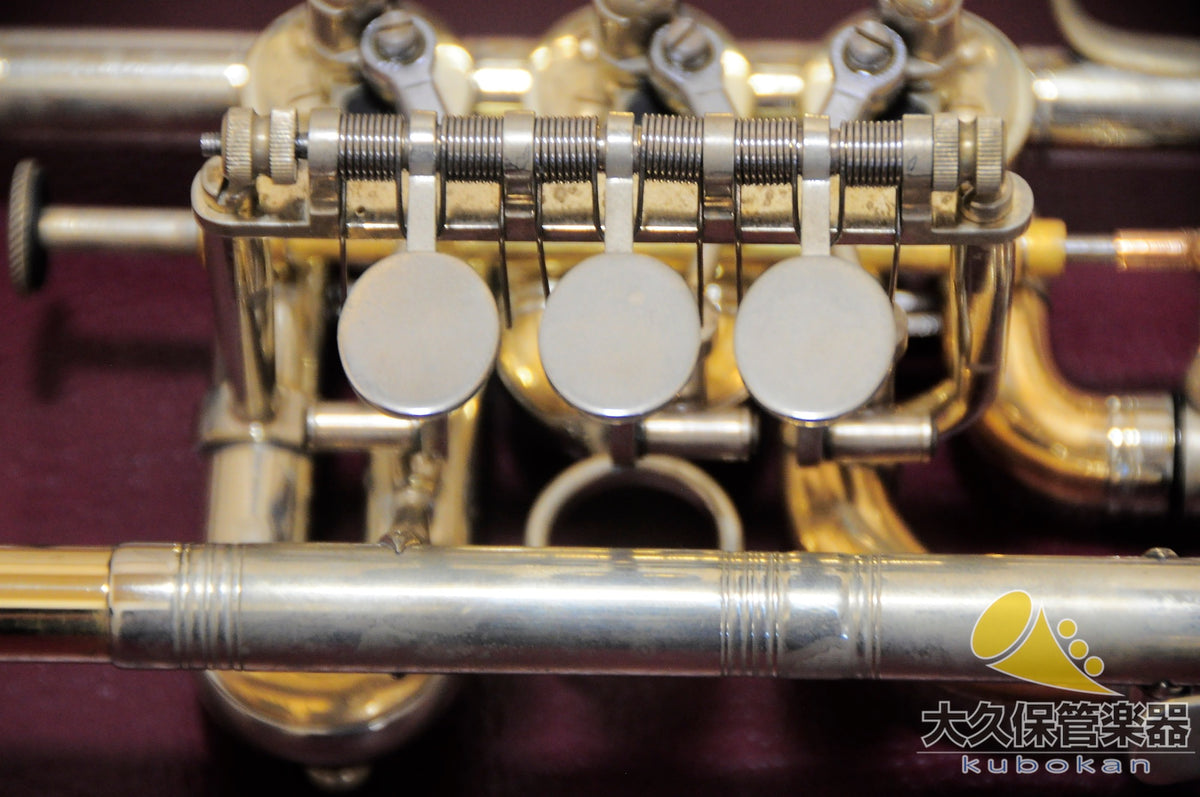
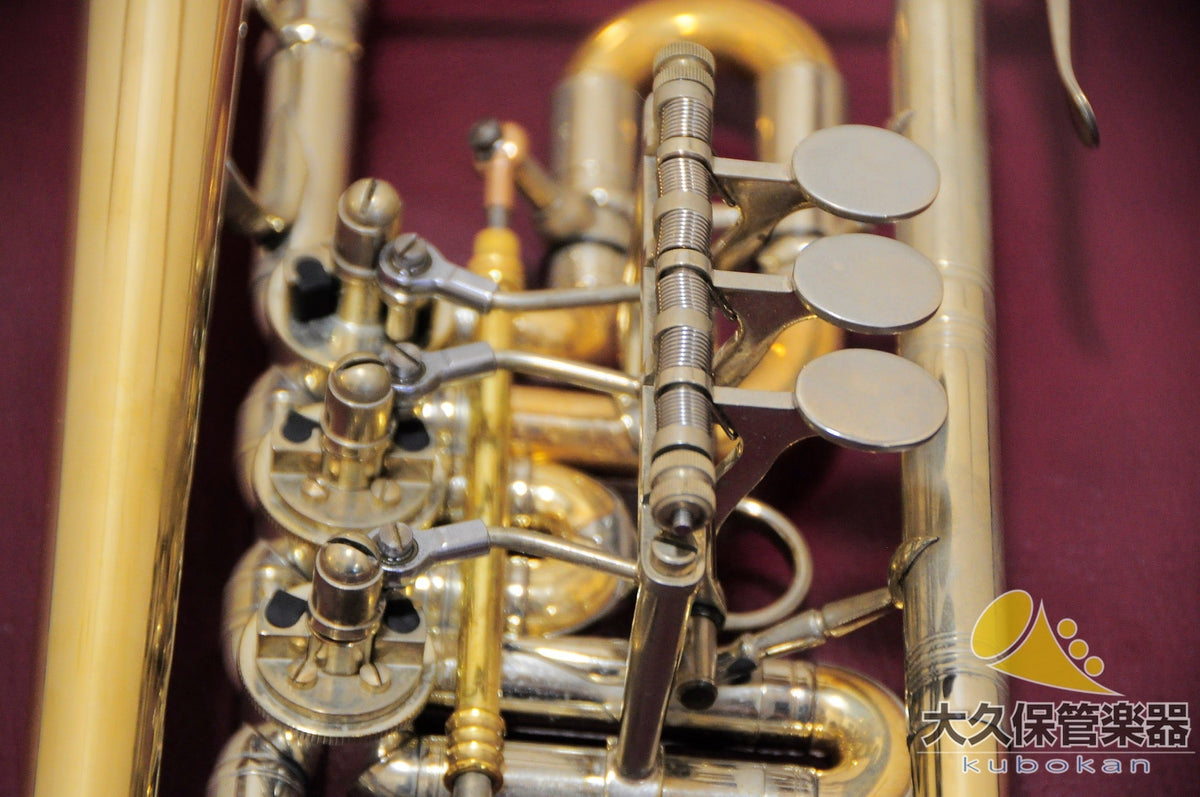
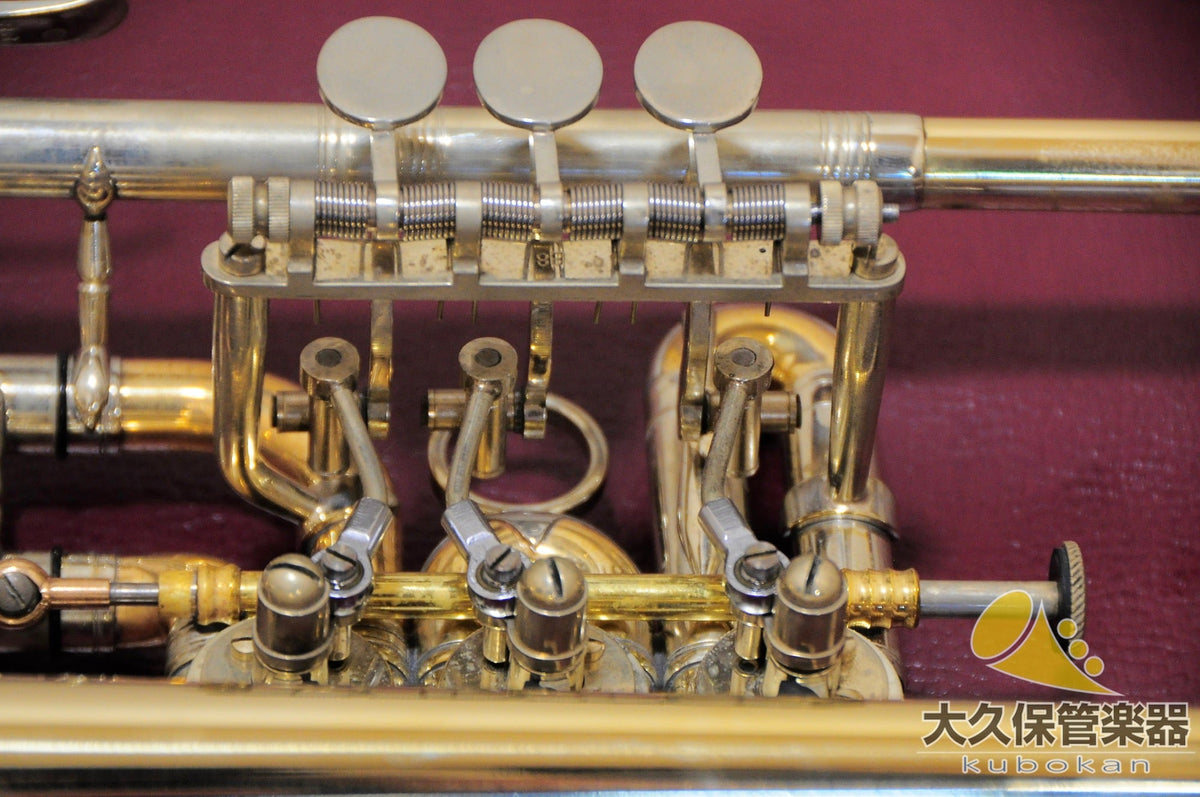
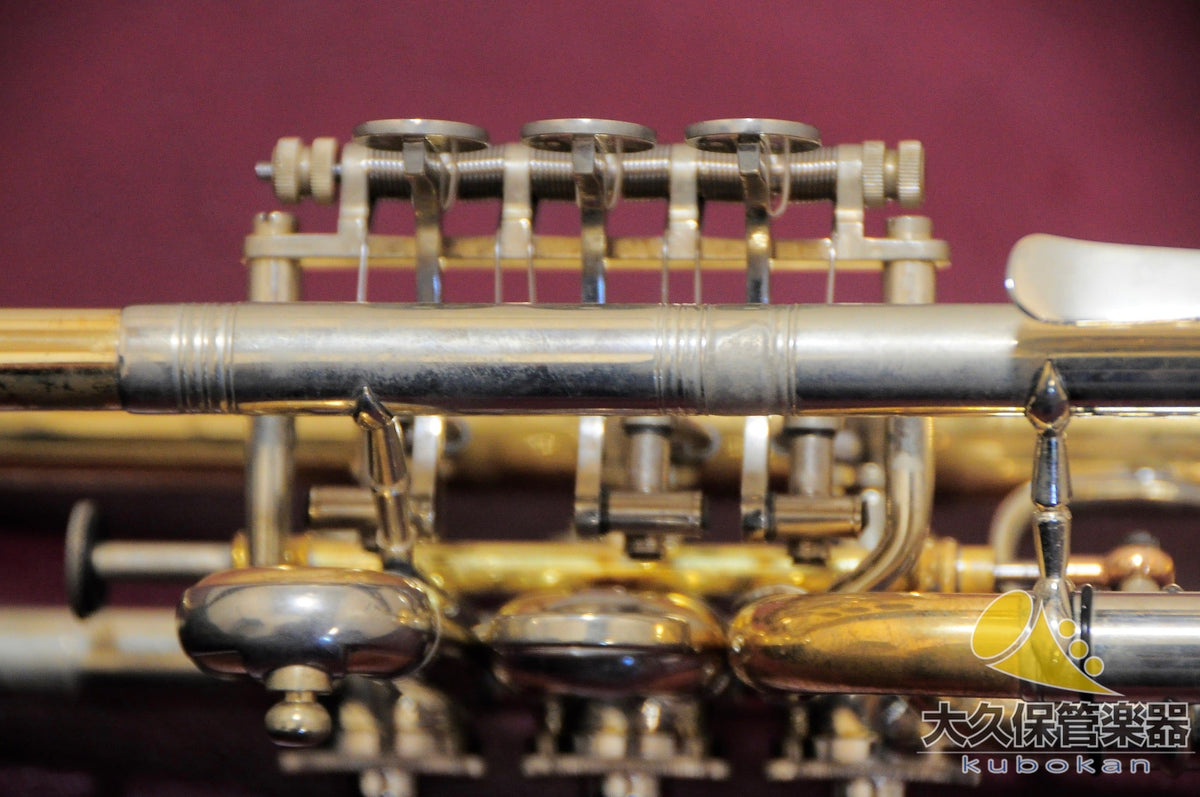
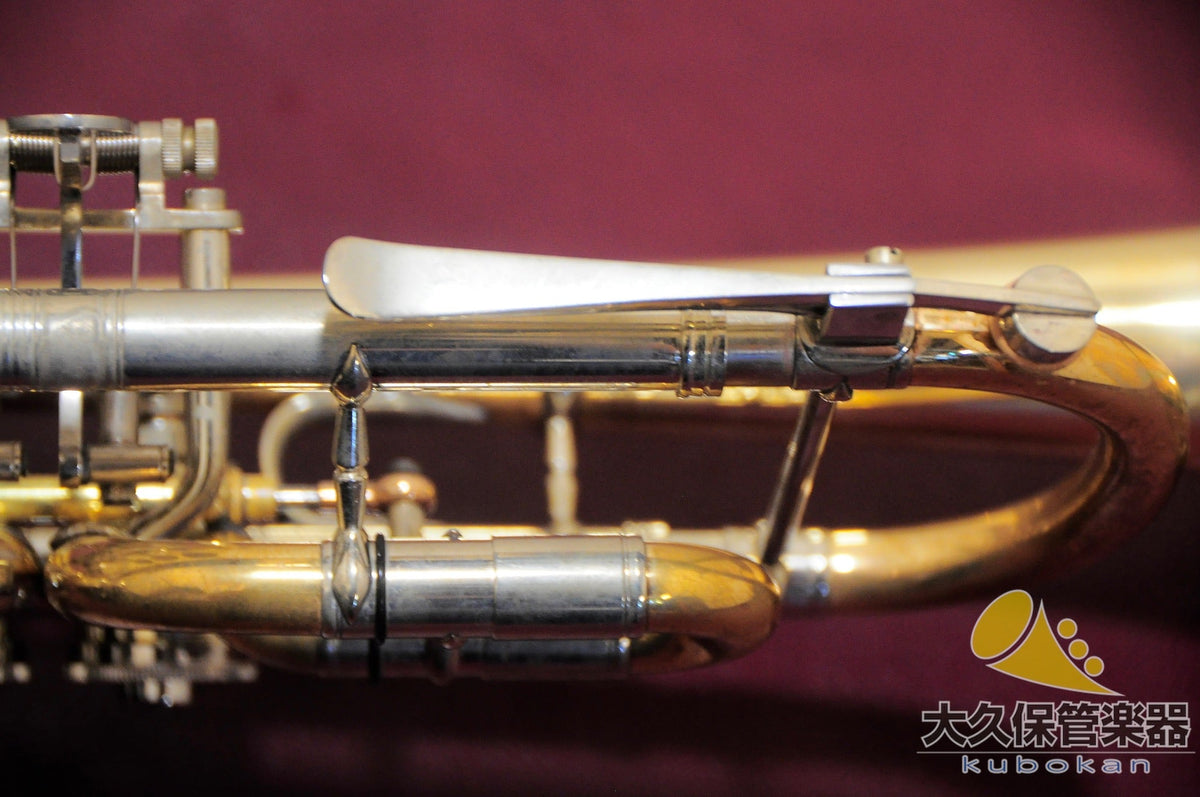
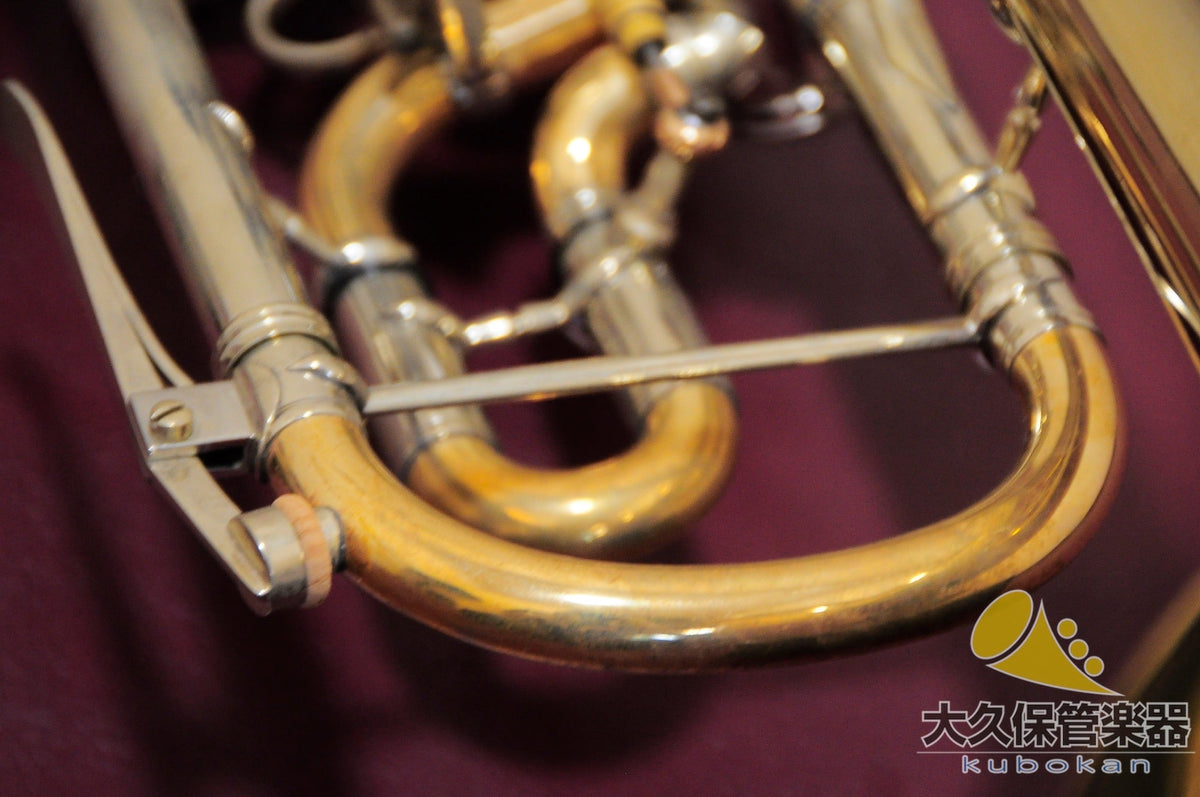
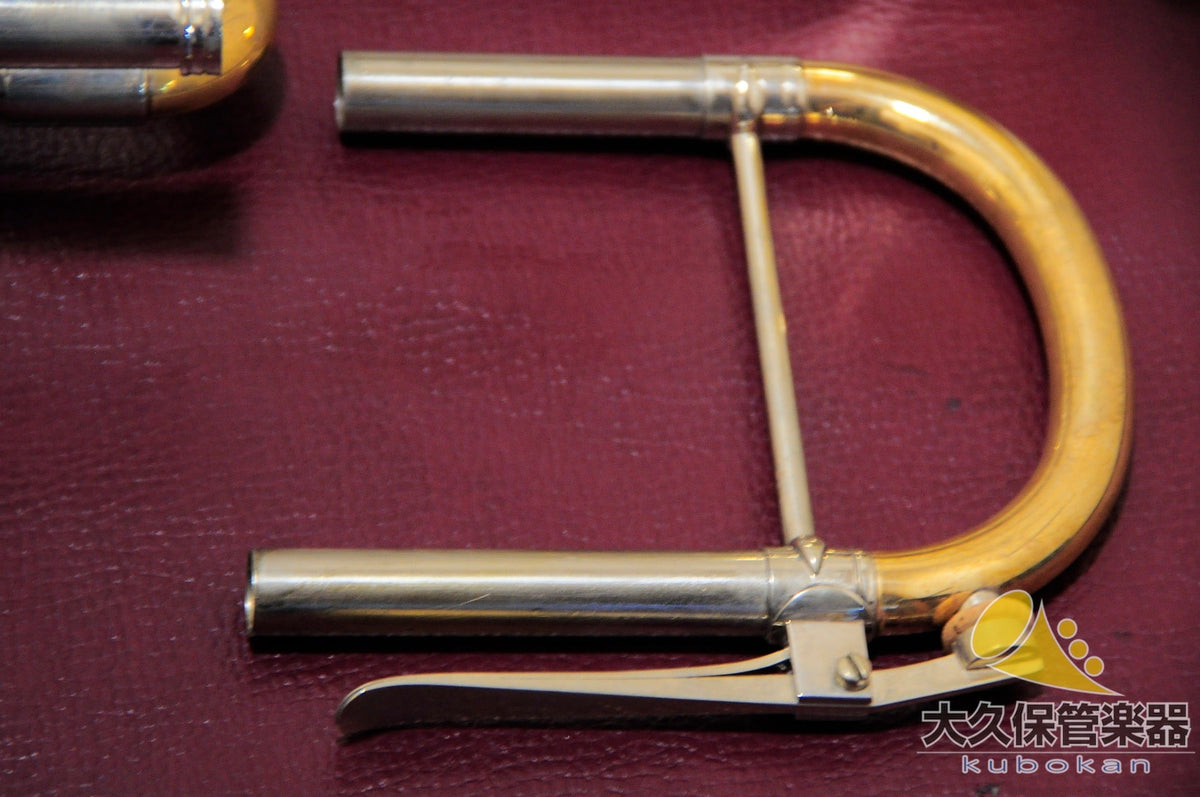
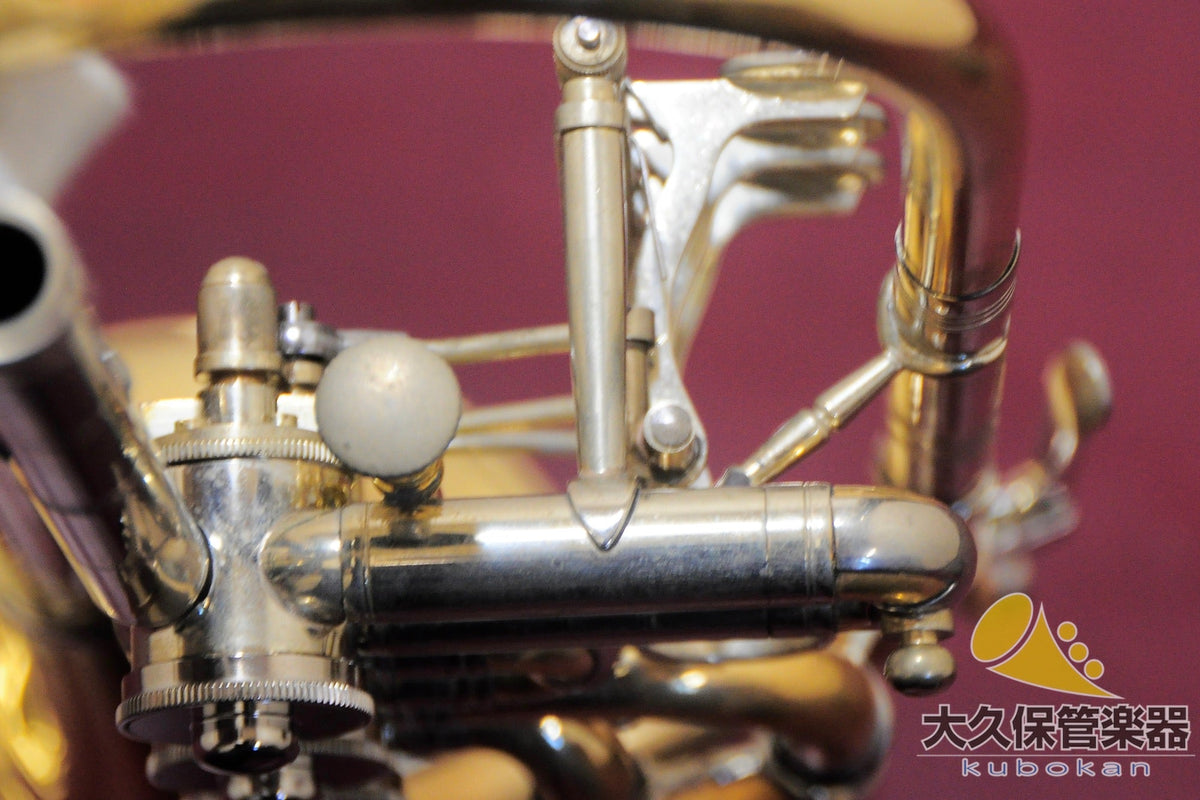
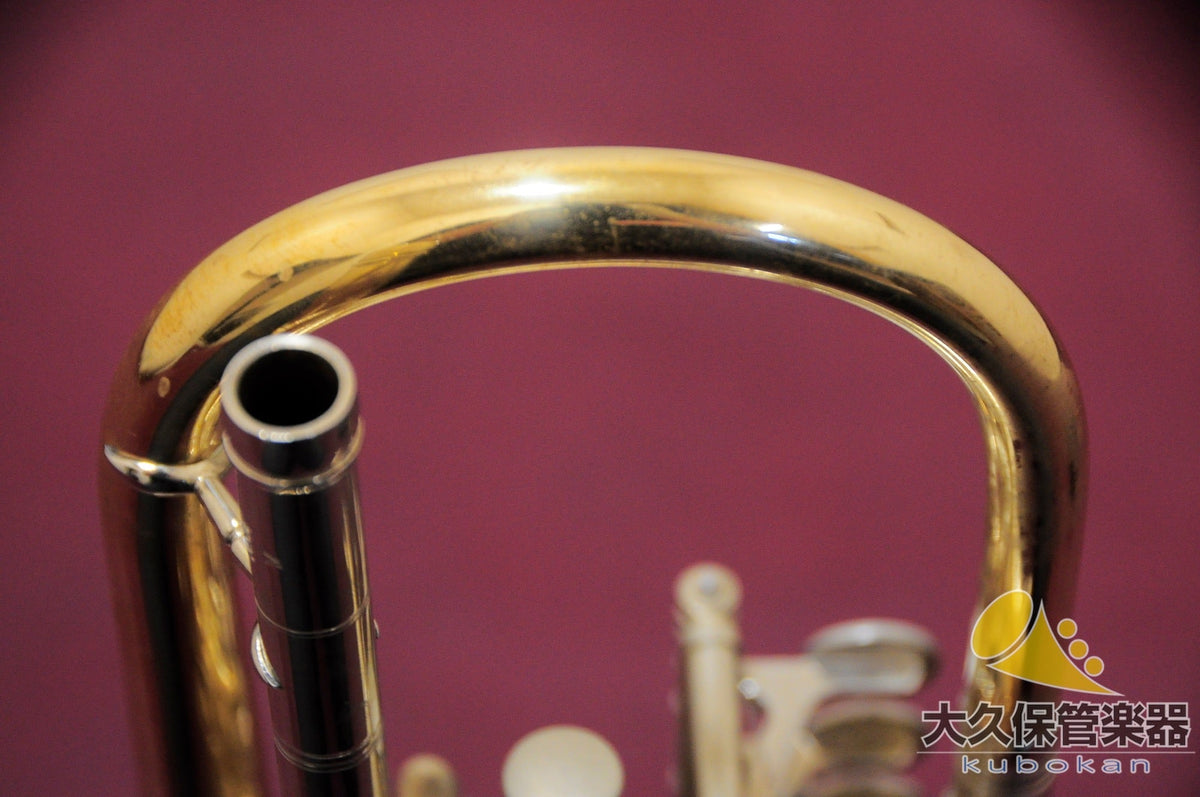
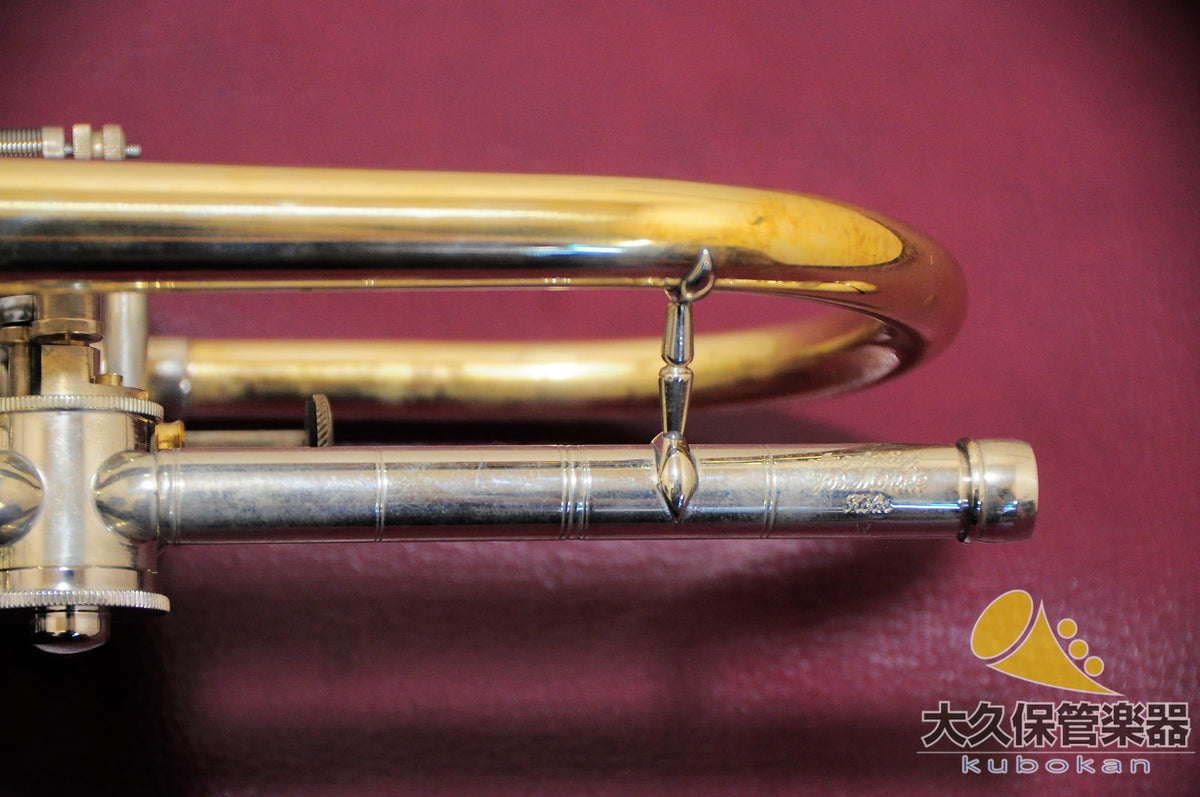
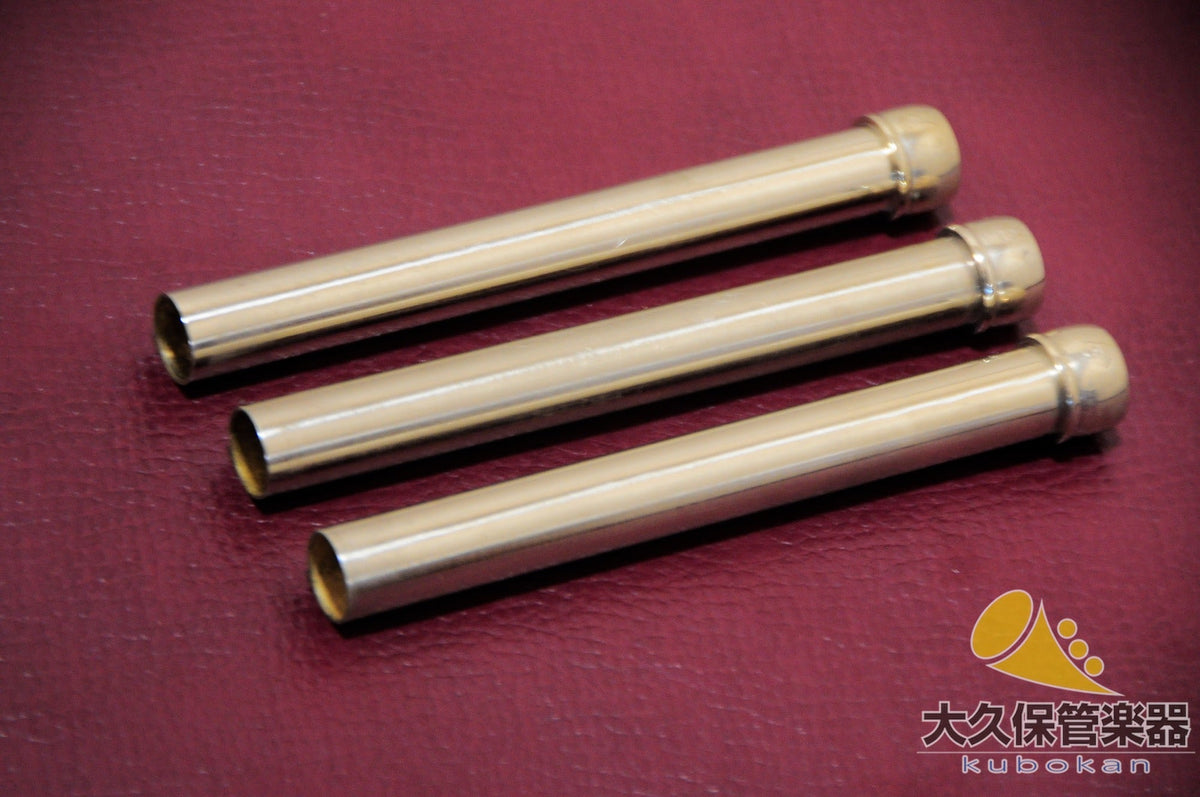
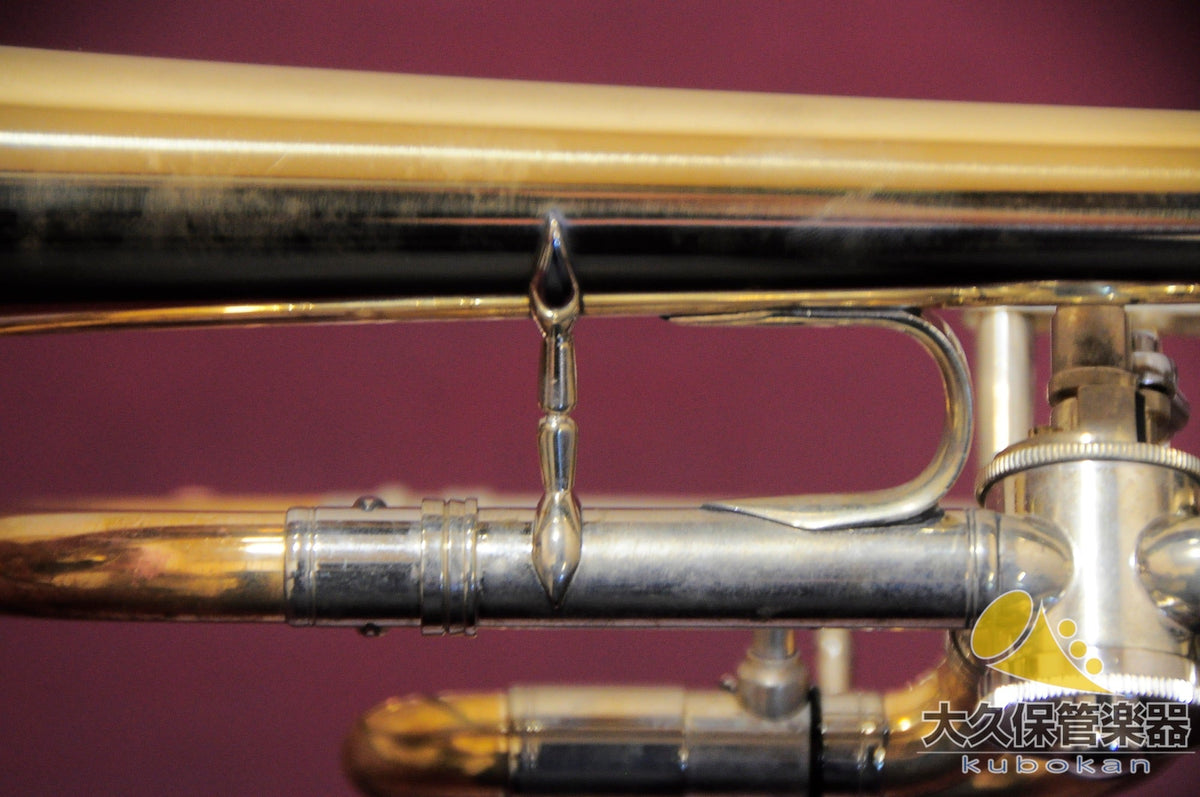
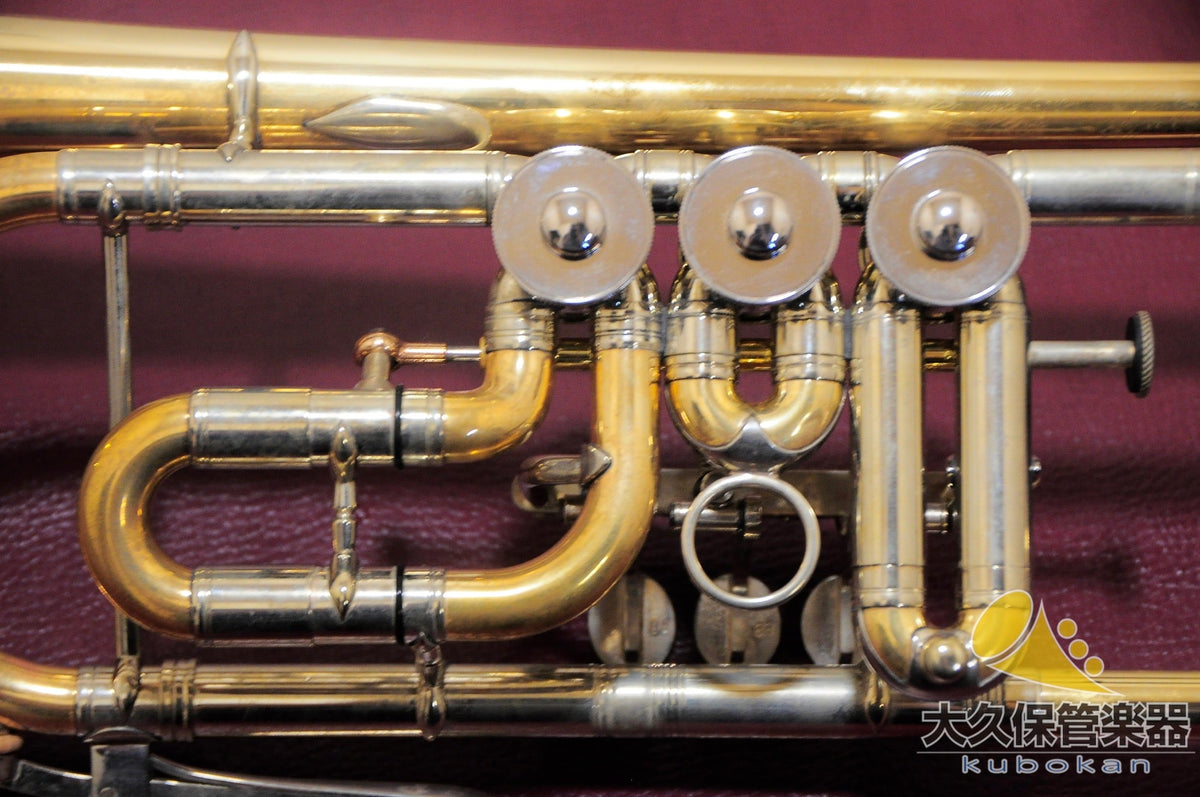
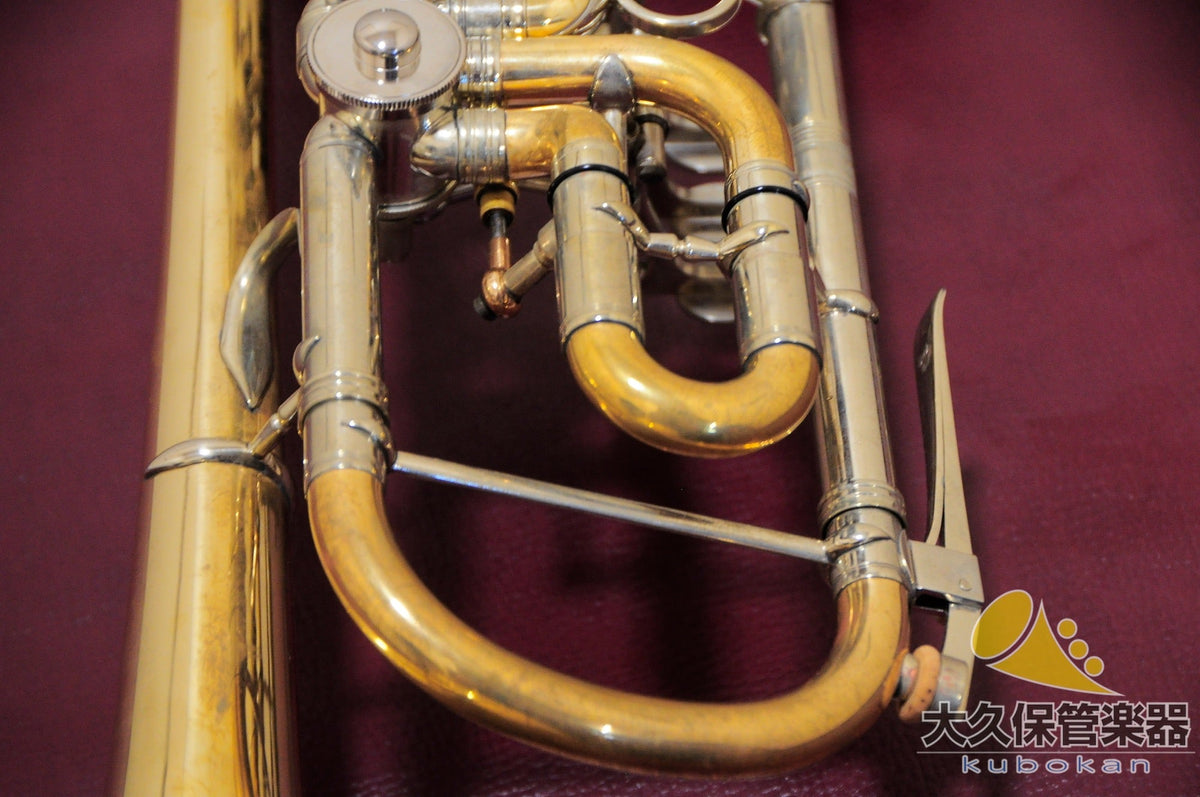
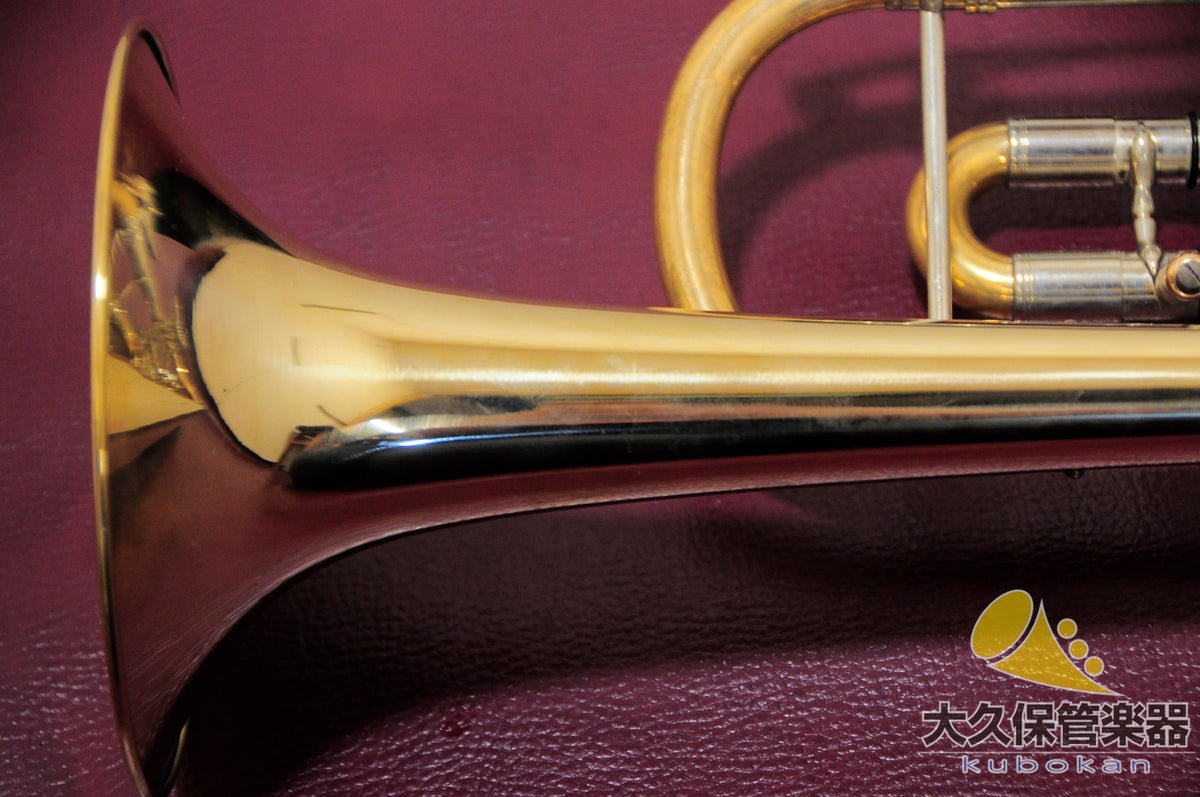
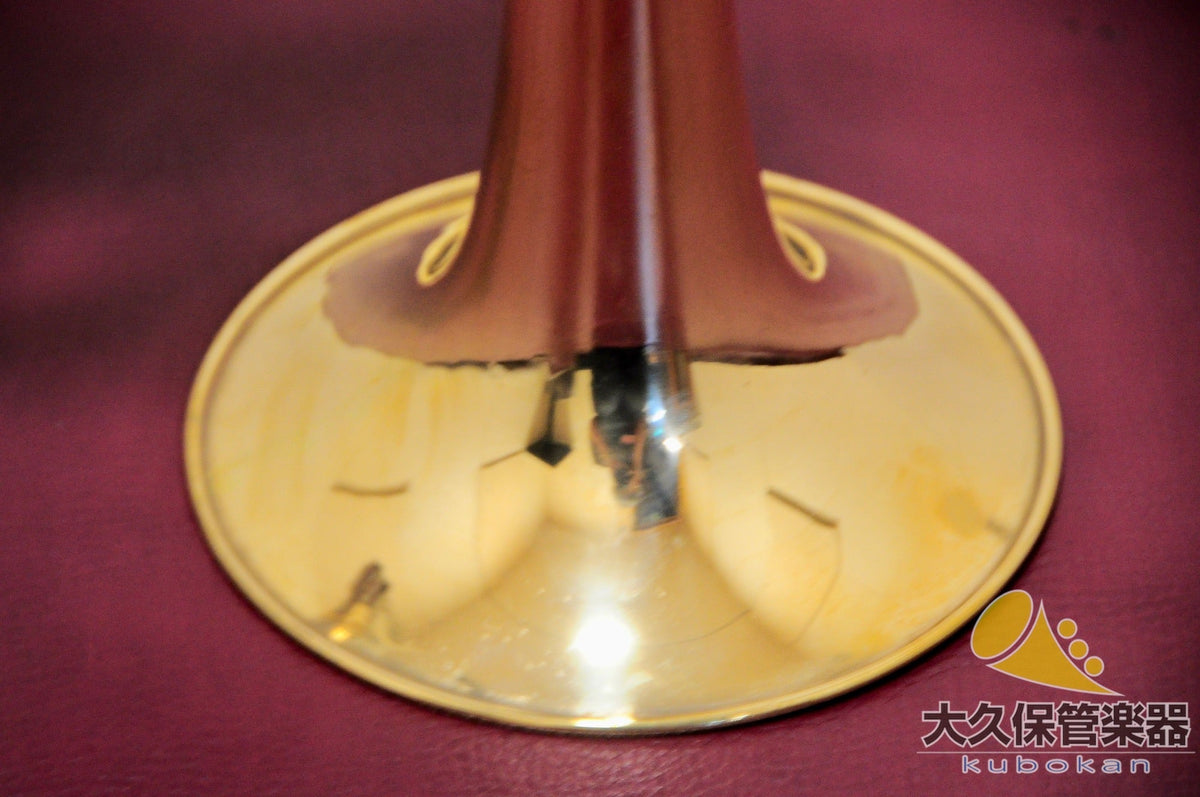
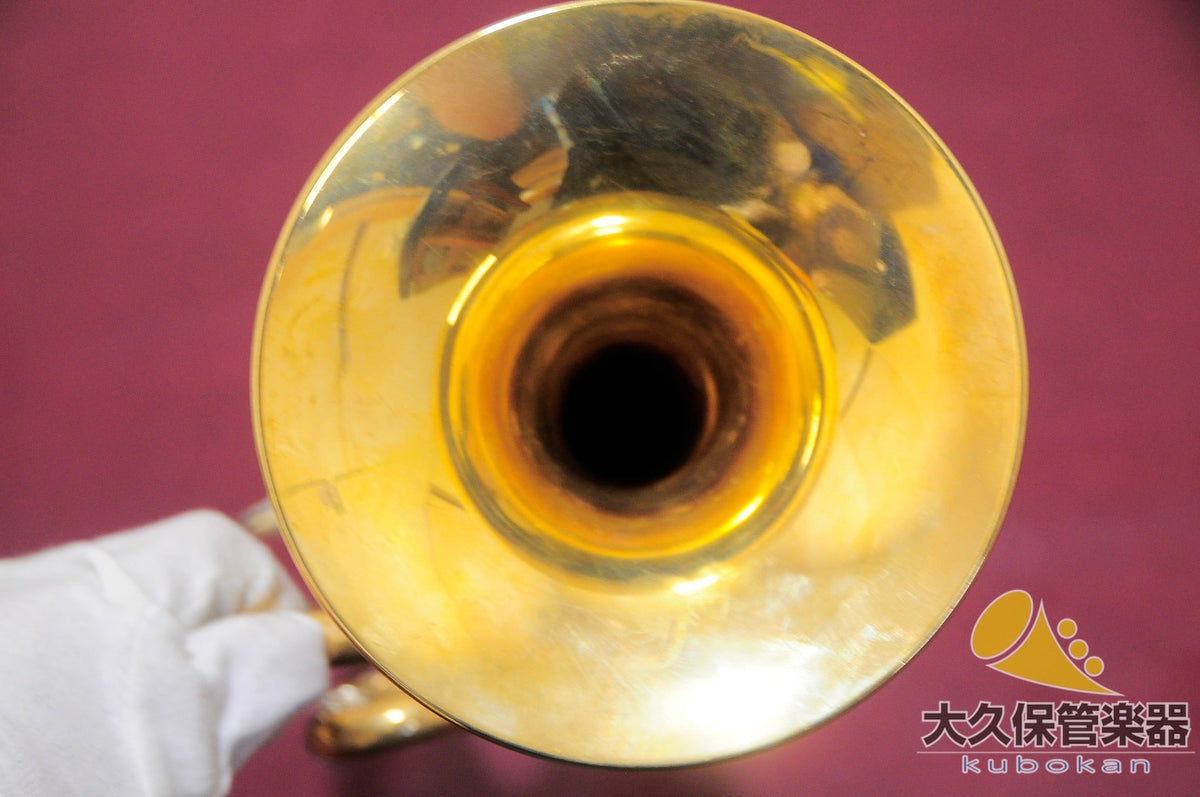
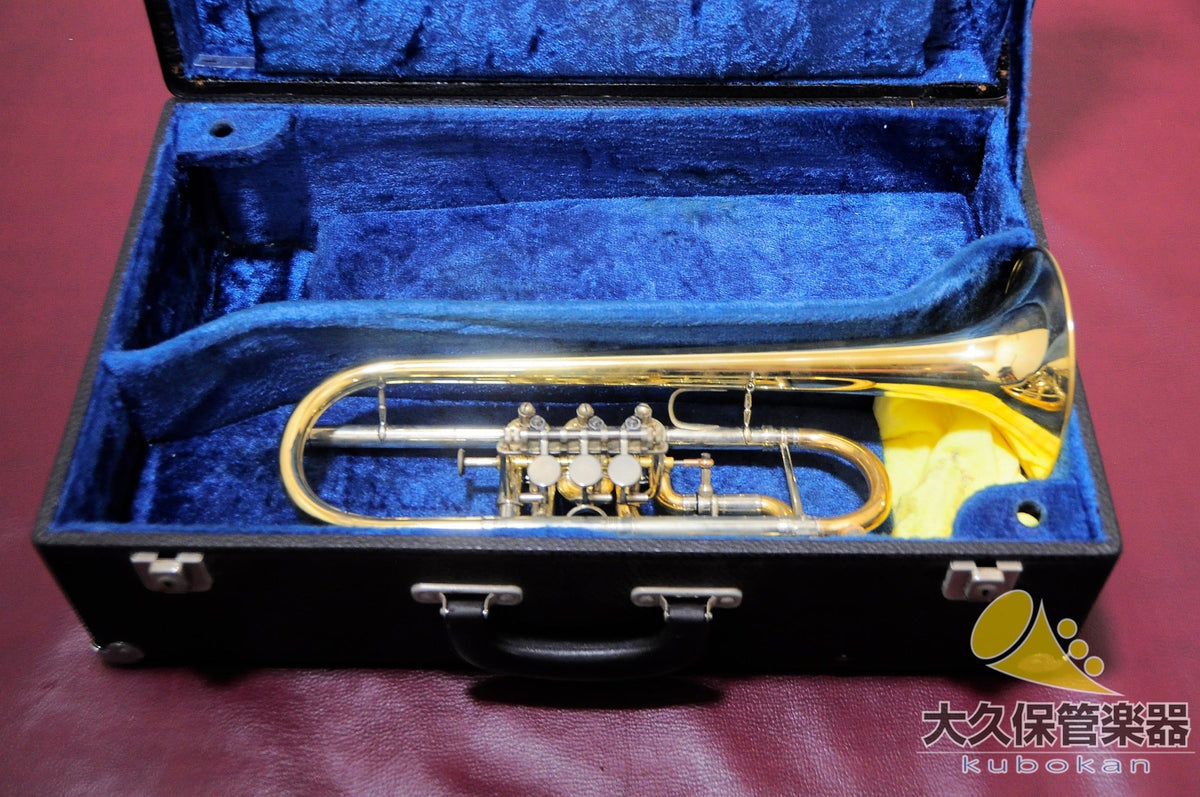
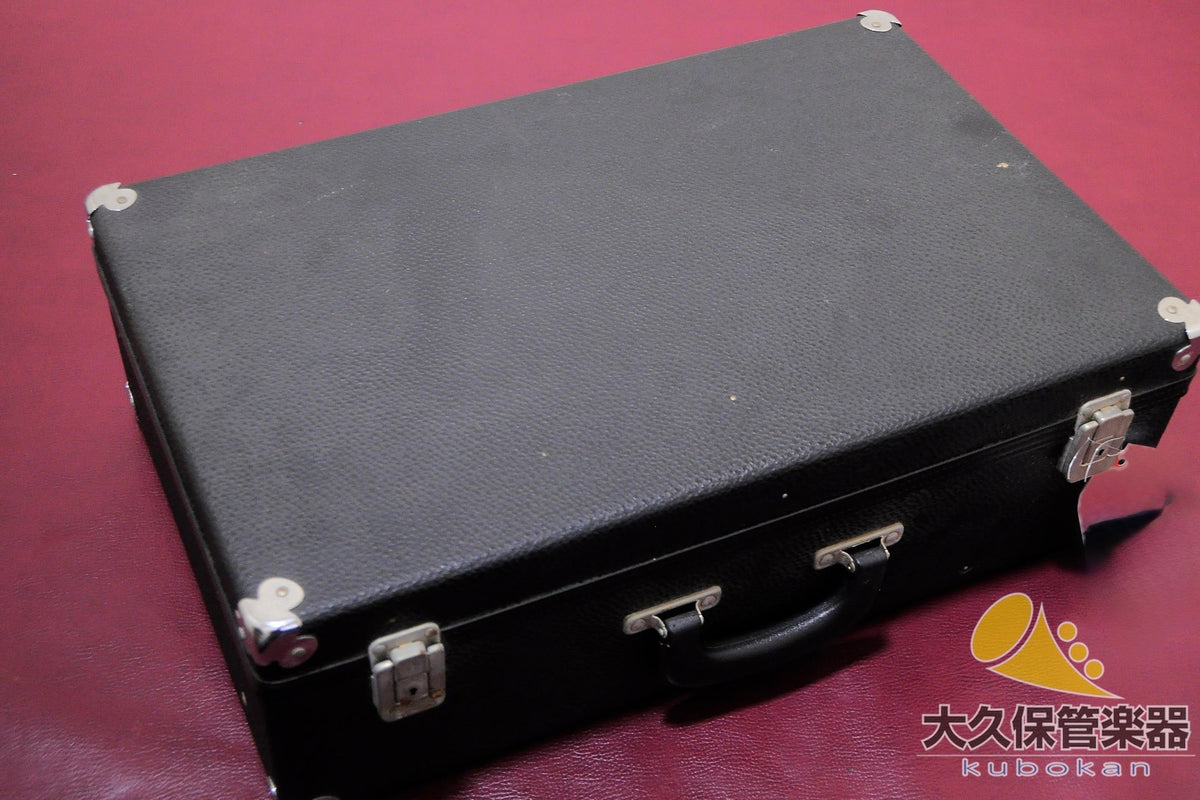
Josef Monke C-tube rotary trumpet. 132mm gold brass bell. Unlacquered finish. Includes three interchangeable mouthpipes (1–3). No. 3 rotary slide features a trigger. Instrument weight: 986 grams. Manufactured in the late 1980s.Accessories: Genuine double hard case (holds two rotary trumpets)
[Condition]
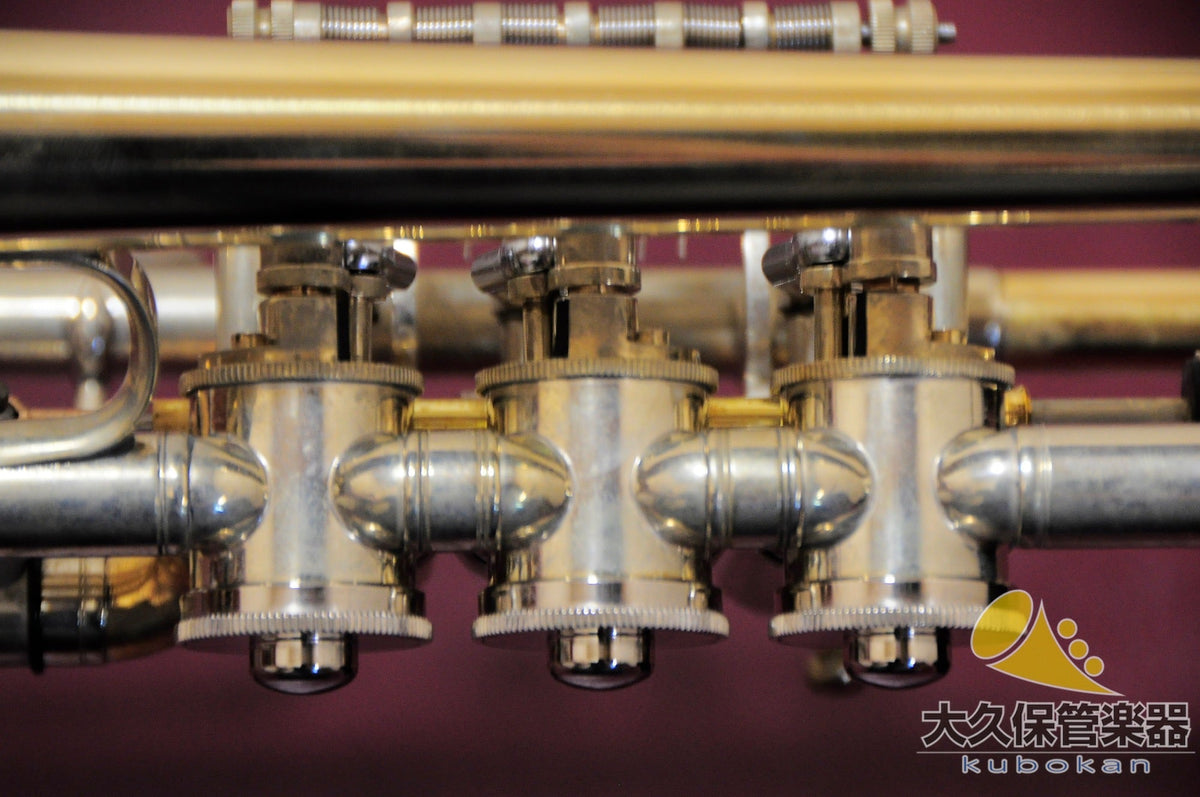
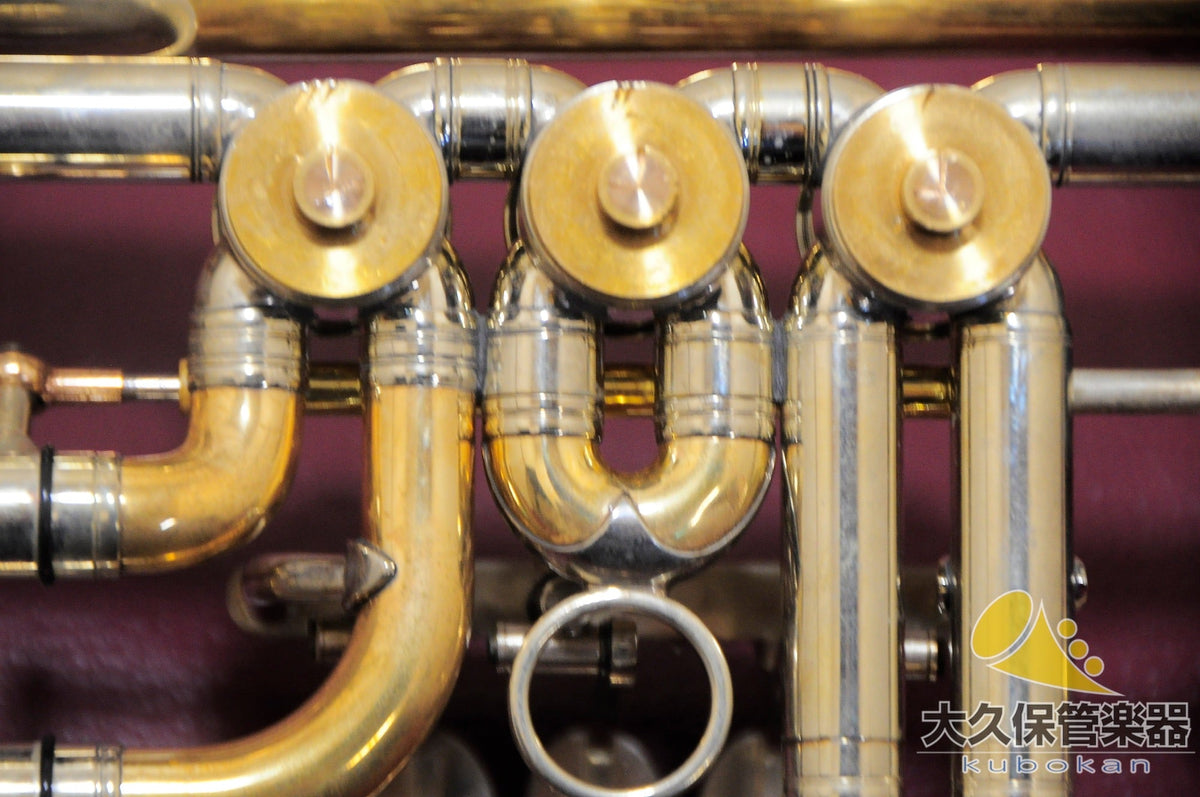
As it is unvarnished, there are scattered areas of dullness and water spots, but no rust or corrosion. Small dents and scratches are scattered throughout. The rotaries have been disassembled, the interior of the tubes cleaned, soft parts replaced, and the instrument has been fully serviced.
[Features]
When people hear “Monke trumpet,” many immediately think of the rich, resonant B♭ rotary trumpets that rang out in the Berlin Philharmonic during the Karajan era. For
that reason, quite a few people likely wonder, “What’s a Monke C trumpet really like?” However, Monke is by no means a workshop specializing exclusively in B♭ instruments.
This C trumpet also embodies the characteristic depth and presence of the company’s sound.
While the sound is bright and has excellent projection, it stands apart from the lighter, softer C-tubes.
The lower-midrange has a solid foundation; when you blow into it, the sound doesn’t thin out but projects forward while maintaining its core.Rather than merely producing a light, nimble high register, the sensation that the entire instrument is resonating is truly characteristic of the Berlin type. The 132-millimeter gold brass bell is also a major factor supporting this character. While possessing the clarity typical of a C-tube, the tone has ample richness and does not lose its presence even within an orchestra.
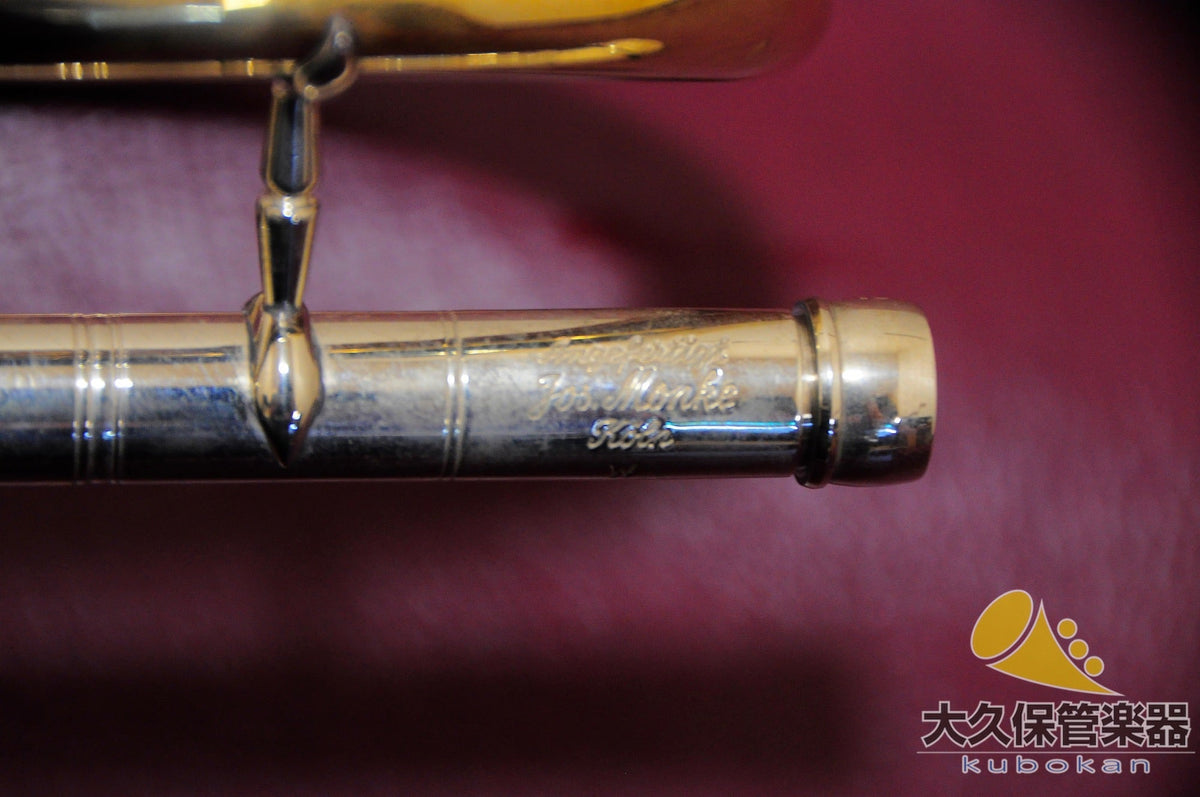
This instrument dates from the late 1980s, a period when Josef Hermich—a beloved disciple of the first Josef Monke—was in charge of production. During this era, the “Josef Monke” engraving was removed from the bell and instead engraved on the mouthpipe.
It also features interchangeable mouthpipes with different tapers; this instrument comes with three—numbers 1 through 3. The ability to choose the mouthpipe that best suits your preferred playing feel and resistance is a practical feature unique to this era.
Monke’s B-flat instrument tends to be overshadowed by the strong image of his B-flat models.
However, when you actually play it, the richness of the mid-to-low register—which goes beyond mere brightness—and the resonant, well-defined tone will make you think, “This is definitely a Monke.”