It’s not about ease—it’s about enjoying the satisfaction of really working the instrument.
A Benji bass trombone that lets you savor a rich, American sound.
[Overview]
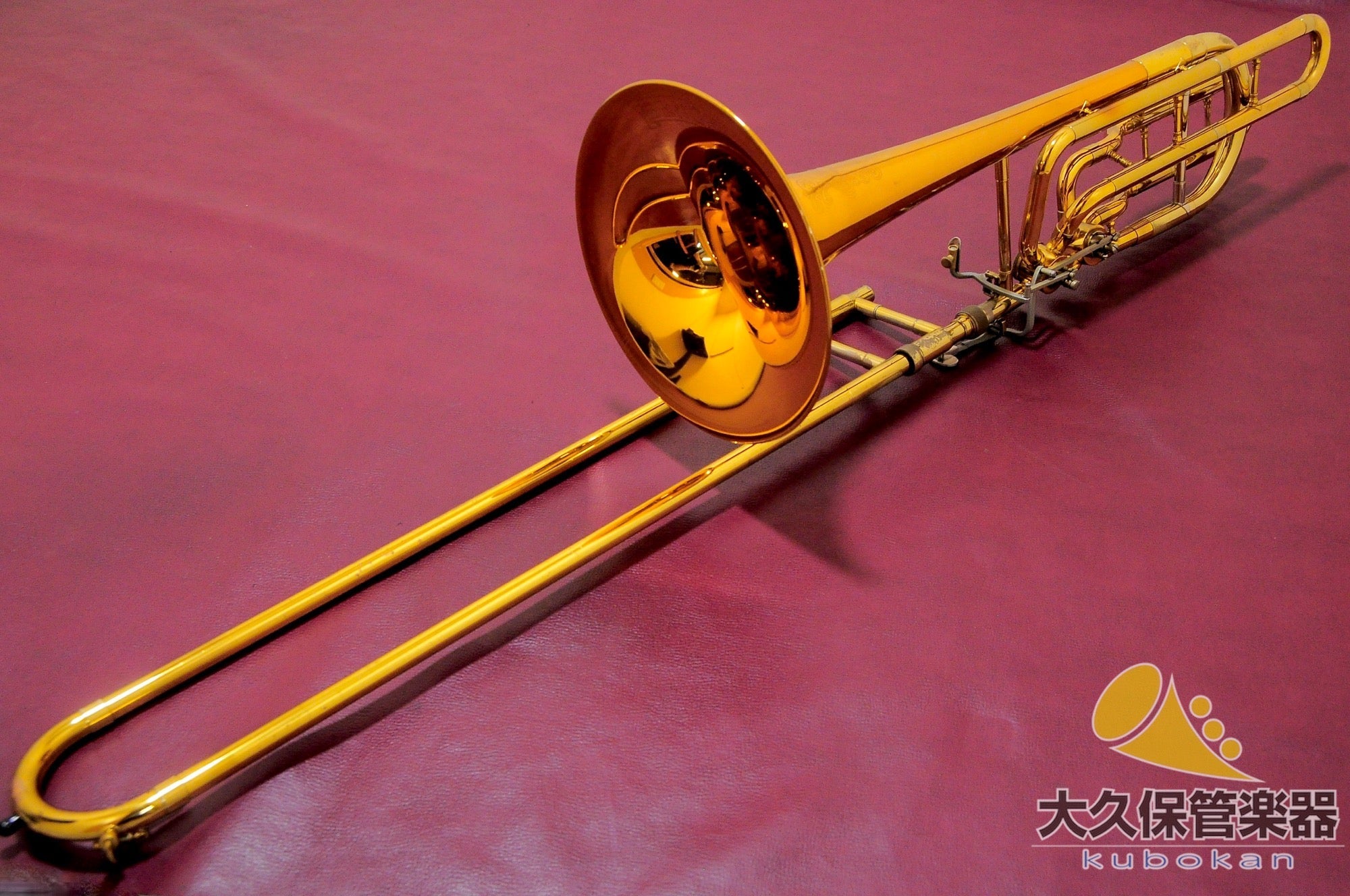
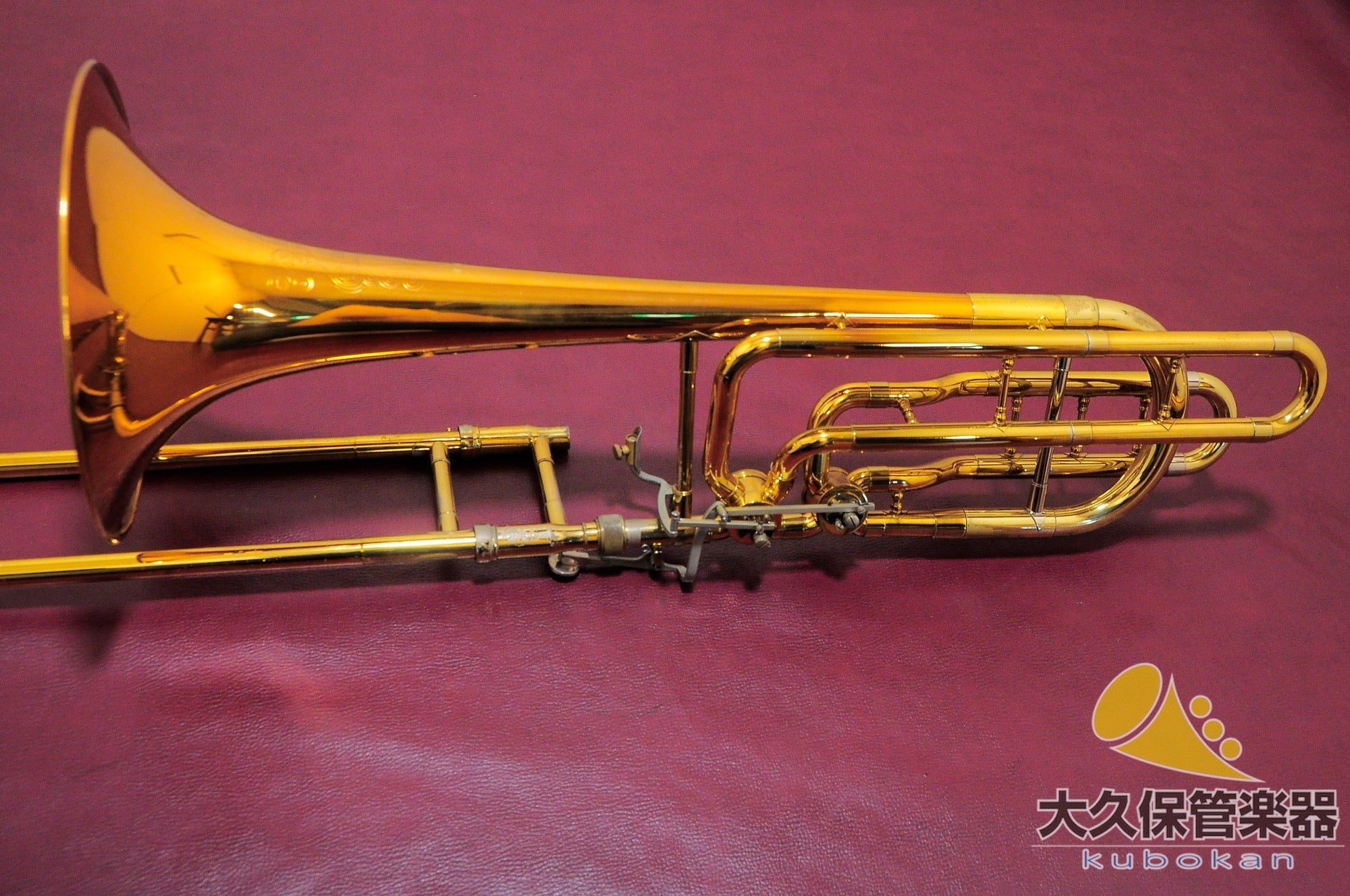
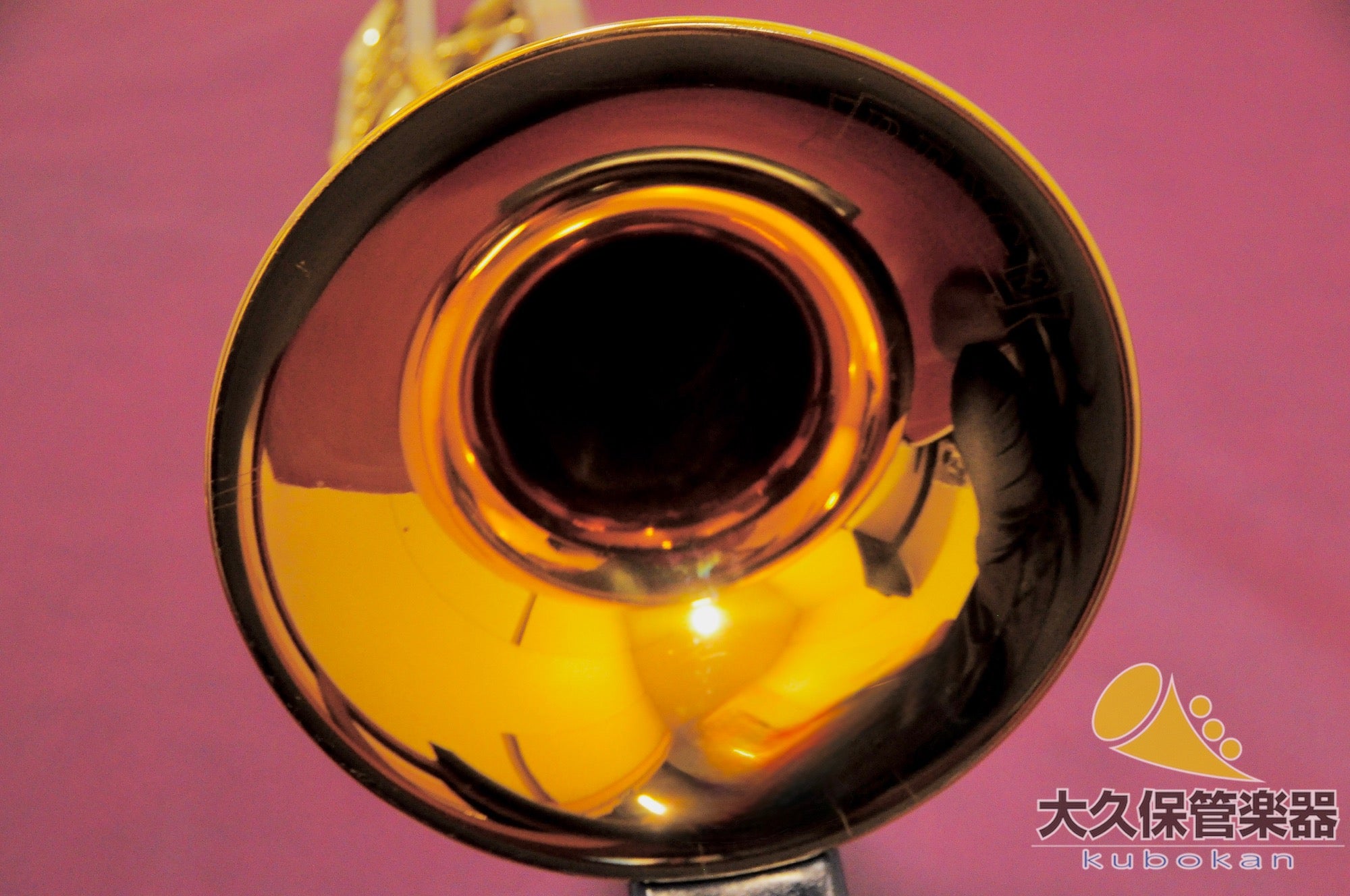
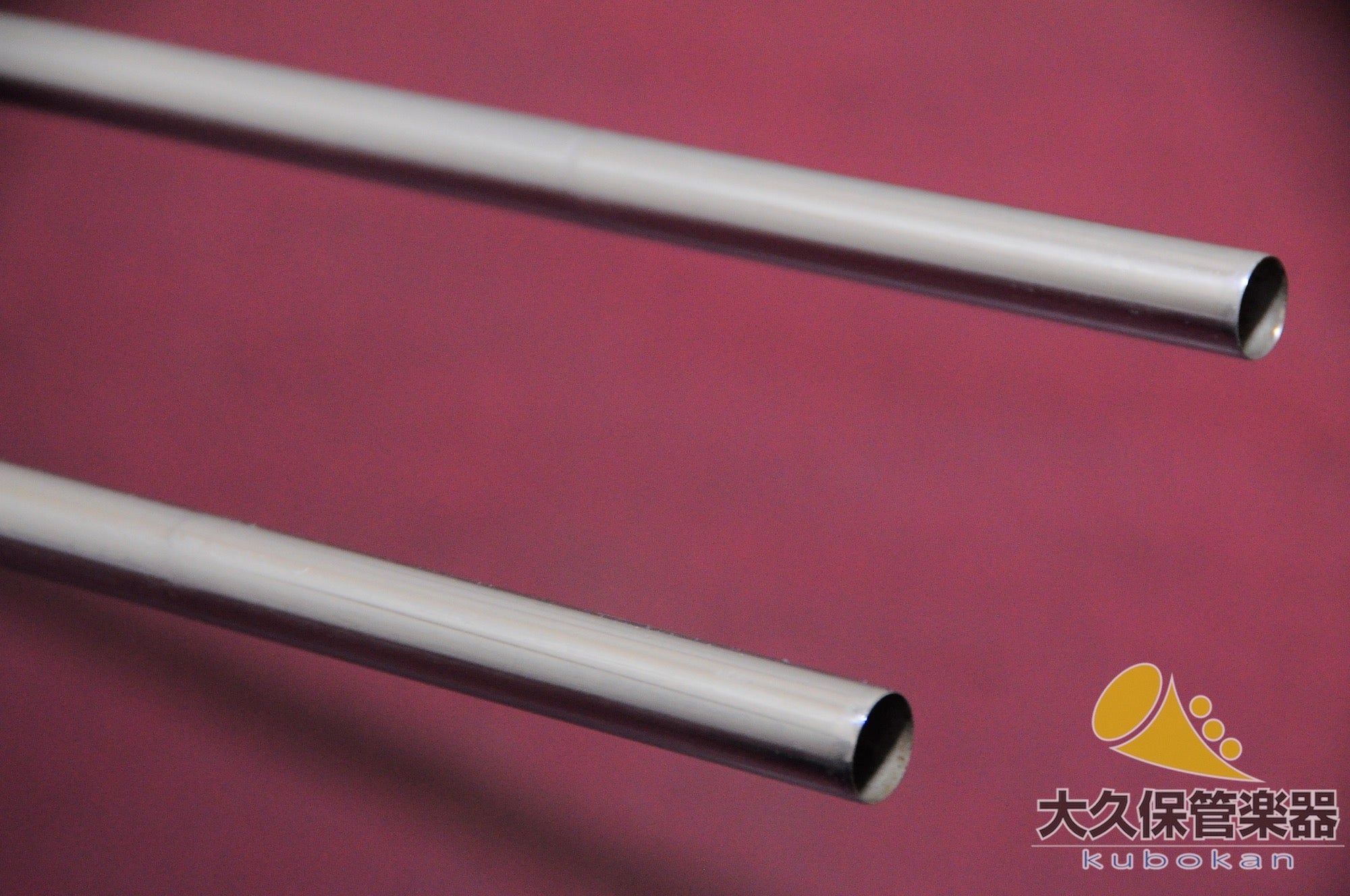
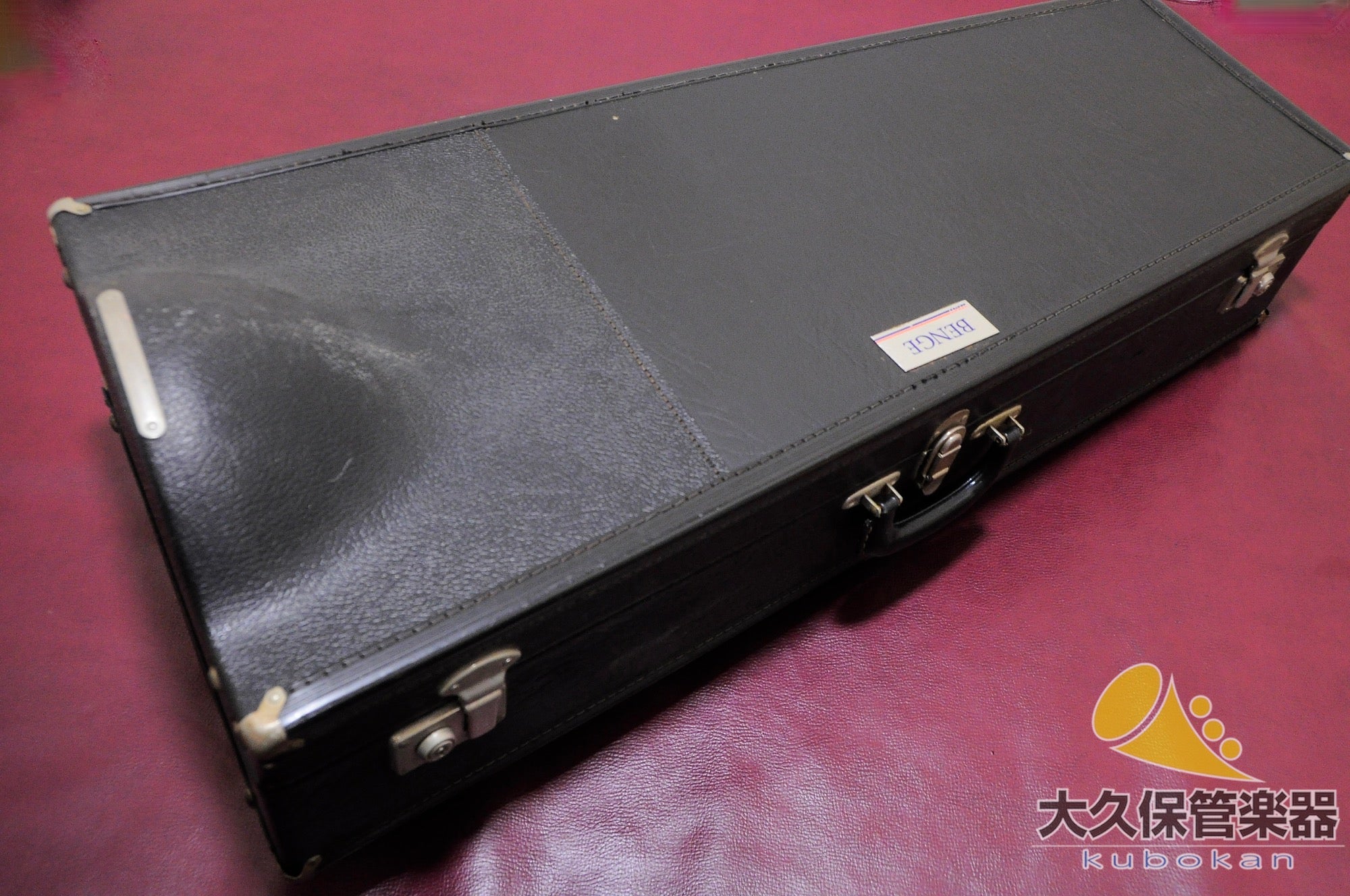
Benji Large-Bore Bass Trombone. Inline double-rotary, open-lap model.B♭/F/G♭/D or G/E♭ (used by removing the extension tube). 10-inch (254 mm) double-walled gold brass bell. 14.73 mm (580") slide bore. Both the outer slide tube and end crook are made of yellow brass. Gold lacquer finish. Manufactured in 1993. Accessories: Genuine hard case
[Condition]
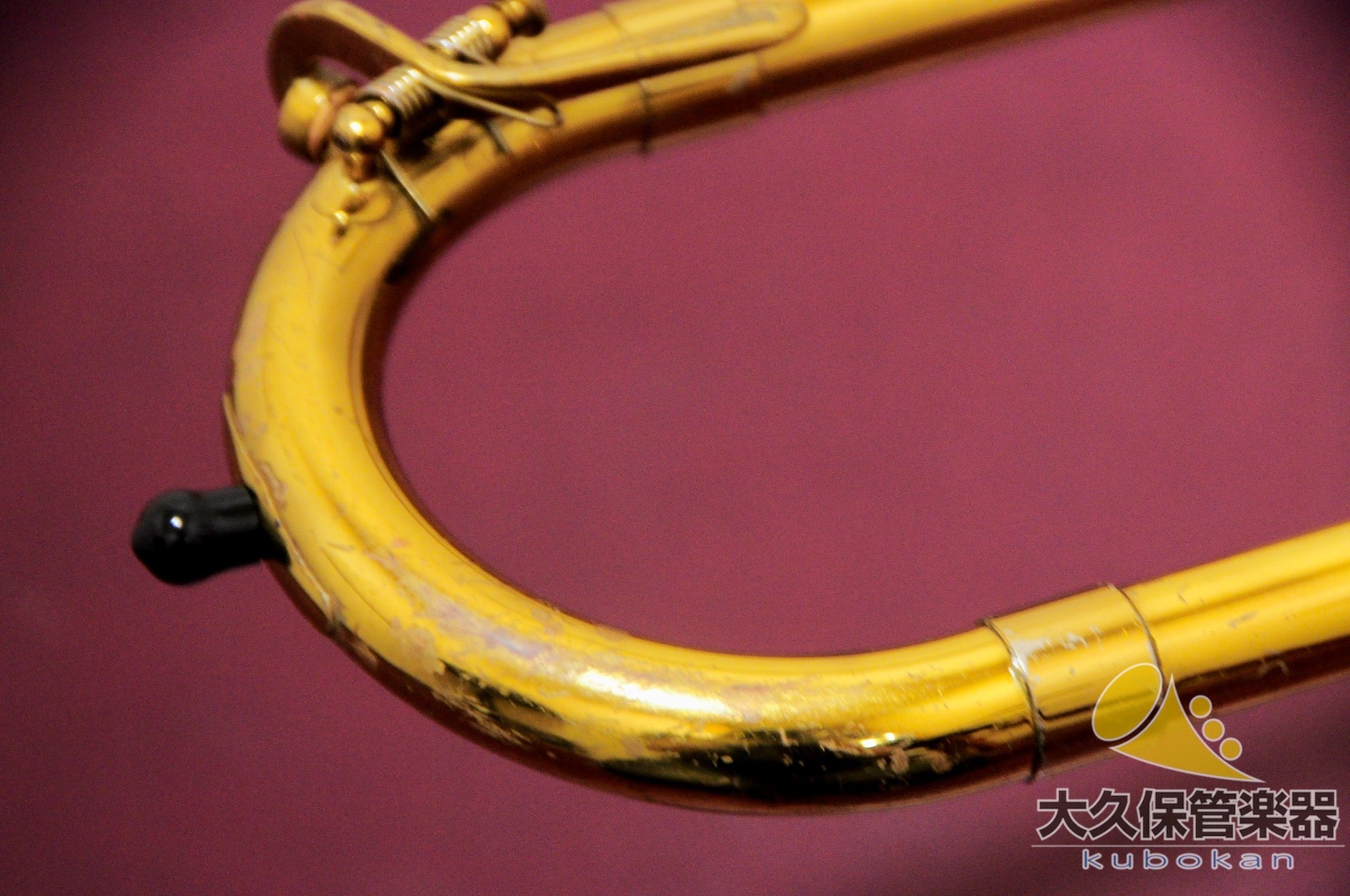
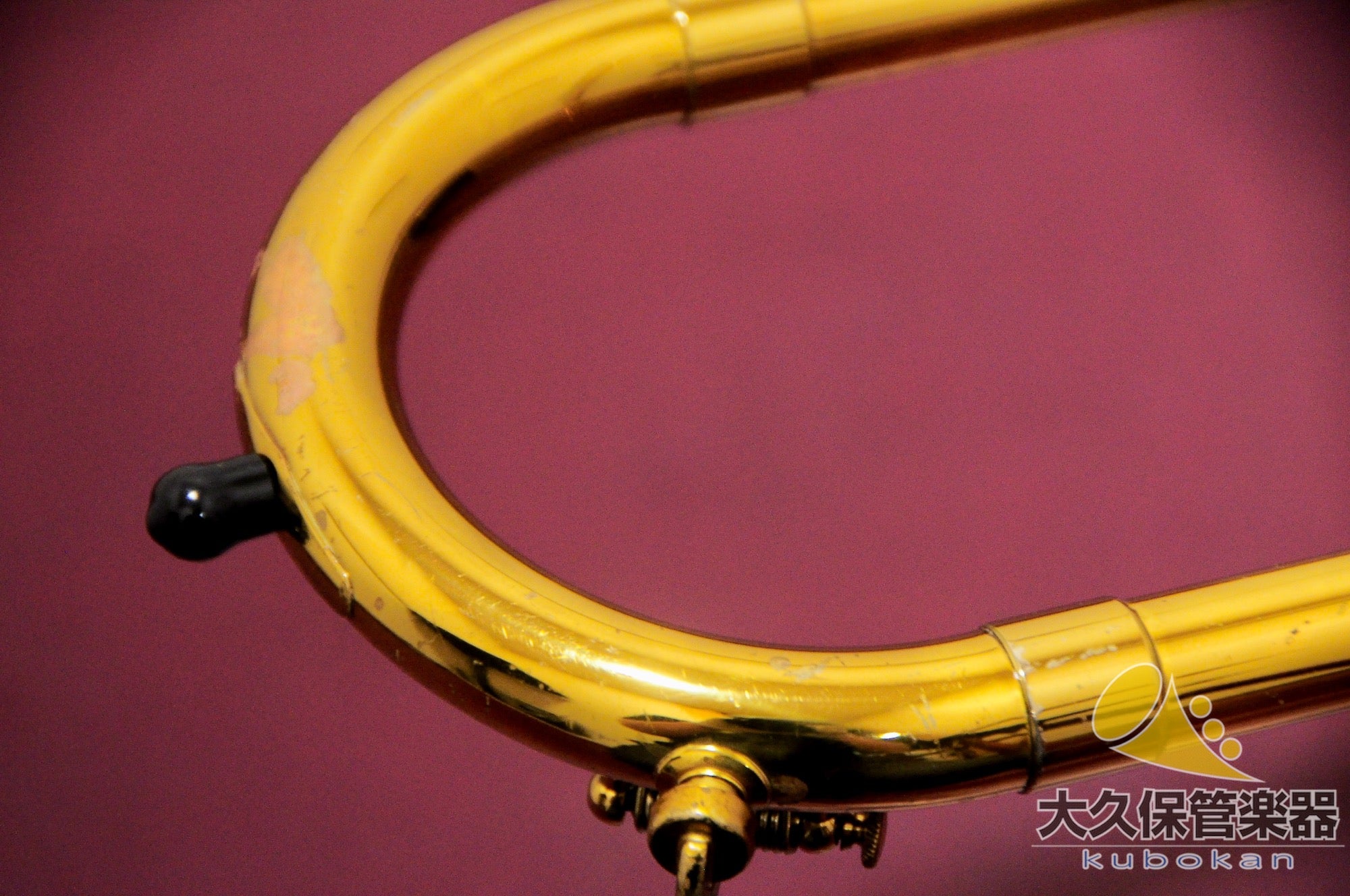
Lacquer peeling and scattered scratches on the curves of each tuning tube, the slide barrel, the outer slide, and the end crook. Small dents scattered across the bell flare and bell body > repaired. (Some lacquer peeling present.) Scratches and scattered lacquer peeling over a wide area of the outer slide and on the end crook. Serviced with rotary valve disassembly and cleaning, interior tube cleaning, and replacement of soft parts.*A spring is installed inside the slide barrel. (Same as C.C. Cone models from the same era. Standard specification.)
[Features]
When people hear the name “Benji,” many probably first think of the iconic American handmade trumpets. However, the company has also devoted significant effort to trombone production, leaving behind models with a unique presence.
The Model 290 is a bass trombone that Benji has been manufacturing since the 1980s. Featuring an inline double rotary valve system, open wrap, a 10-inch gold brass bell, and a 14.73 mm slide bore, it was an ambitious design for its time.
However, compared to the latest bass trombones, it lacks what is often referred to as “modern ease of play.” Rather than an instrument prioritizing light responsiveness or ease of handling the low register, it’s the type that requires you to put real air into it and work it into shape.
Consequently, its sound possesses a charm characteristic of Benji. It features a soft, rich resonance from the gold brass bell and a full-bodied low register befitting the American orchestral sound. Rather than pushing forward aggressively, its character is one that provides a solid foundation within an ensemble and adds depth to the overall sound.
The slide travel is designed to be on the shorter side. Although it is a bass trombone, it feels relatively compact when held.
The manufacturer has since gone out of business, and production has ceased. It’s rarely seen on the market these days. I’d recommend this instrument not so much to those seeking the versatility of the latest models, but rather to those looking for a bass trombone that stands out from the crowd—and to those drawn to the rich, resonant sound of traditional American orchestras.