The very fact that it remains is a miracle.
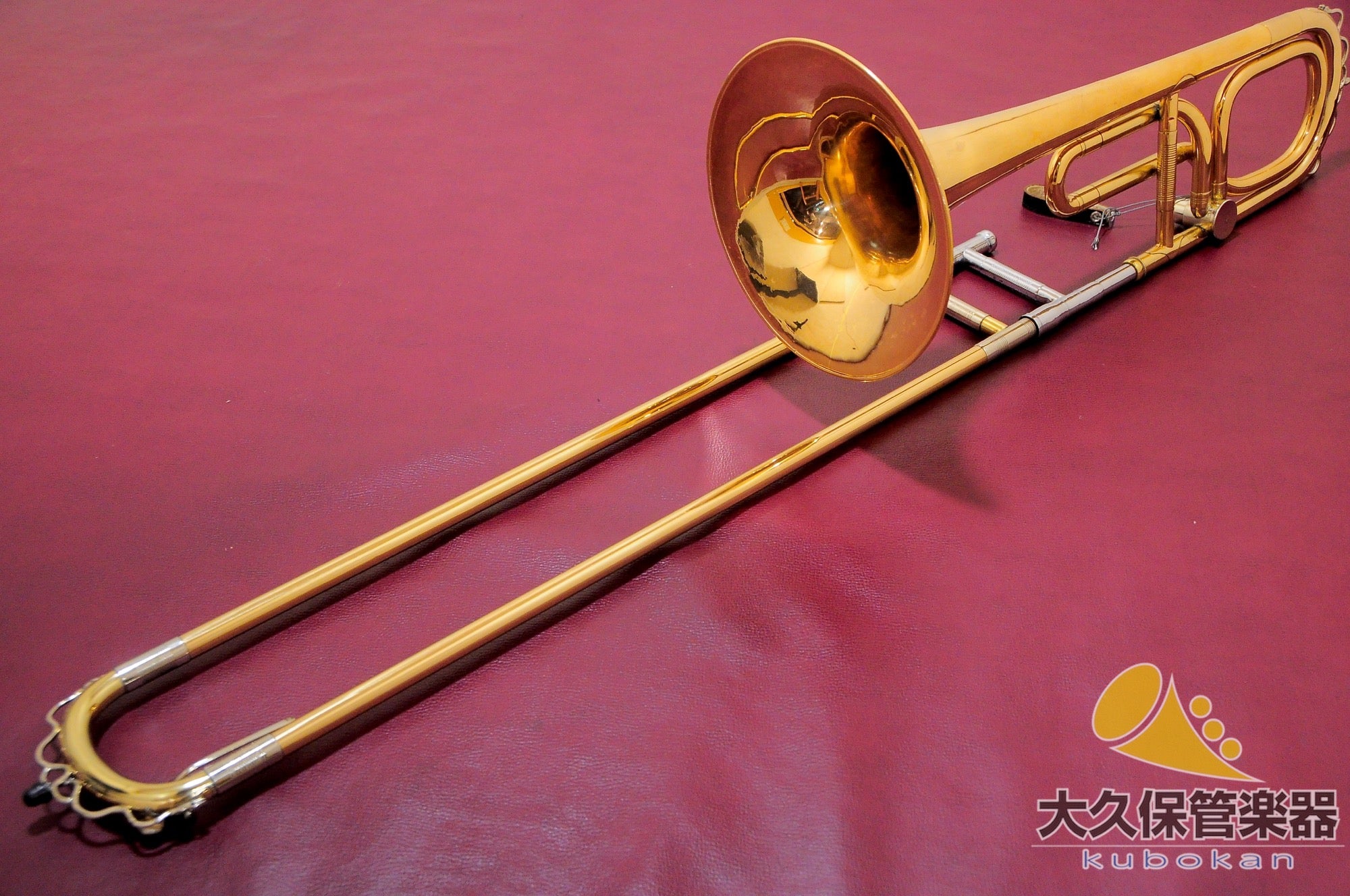
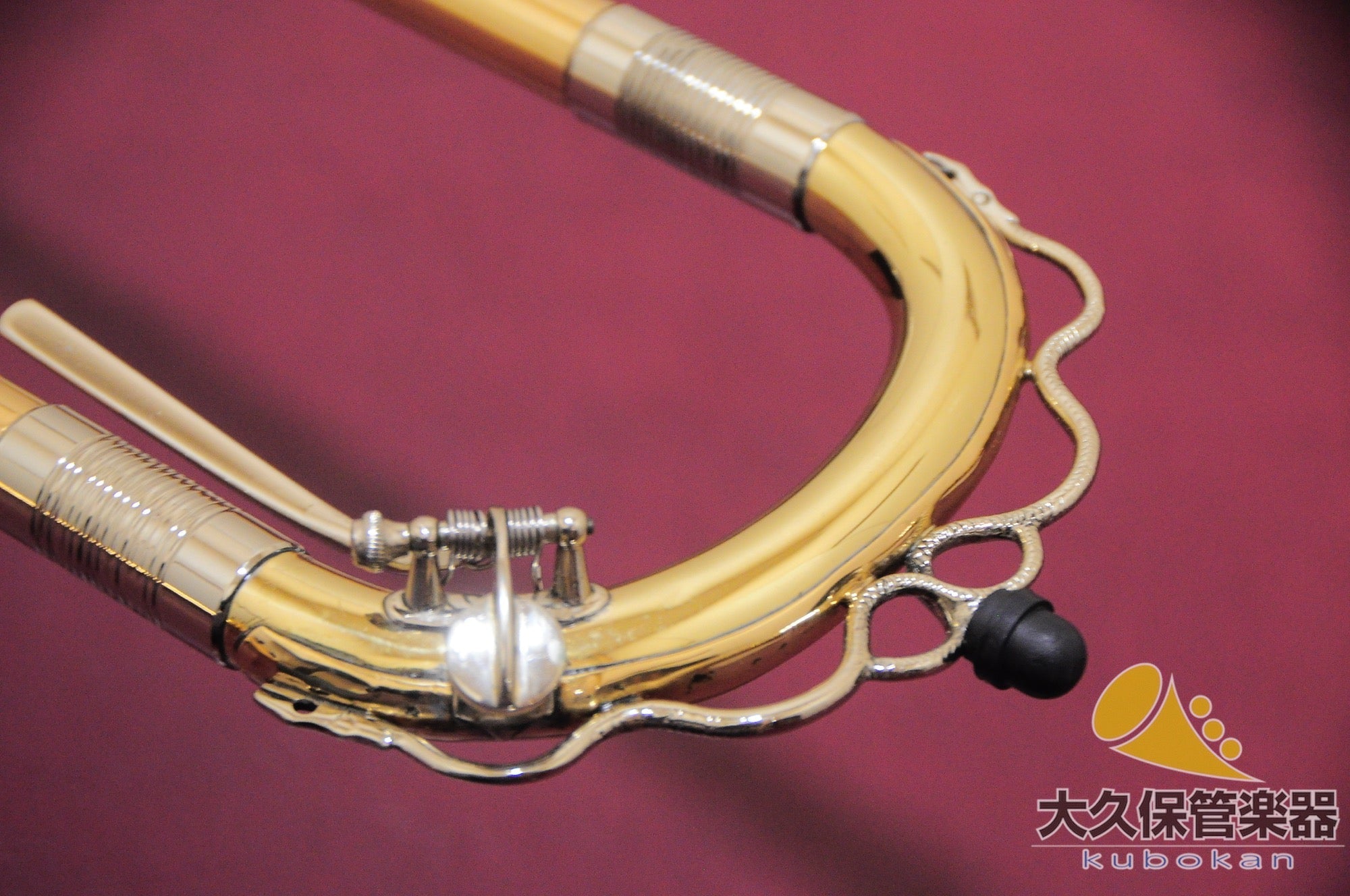
1910s Robert Schopper-made trombone.
[Overview]
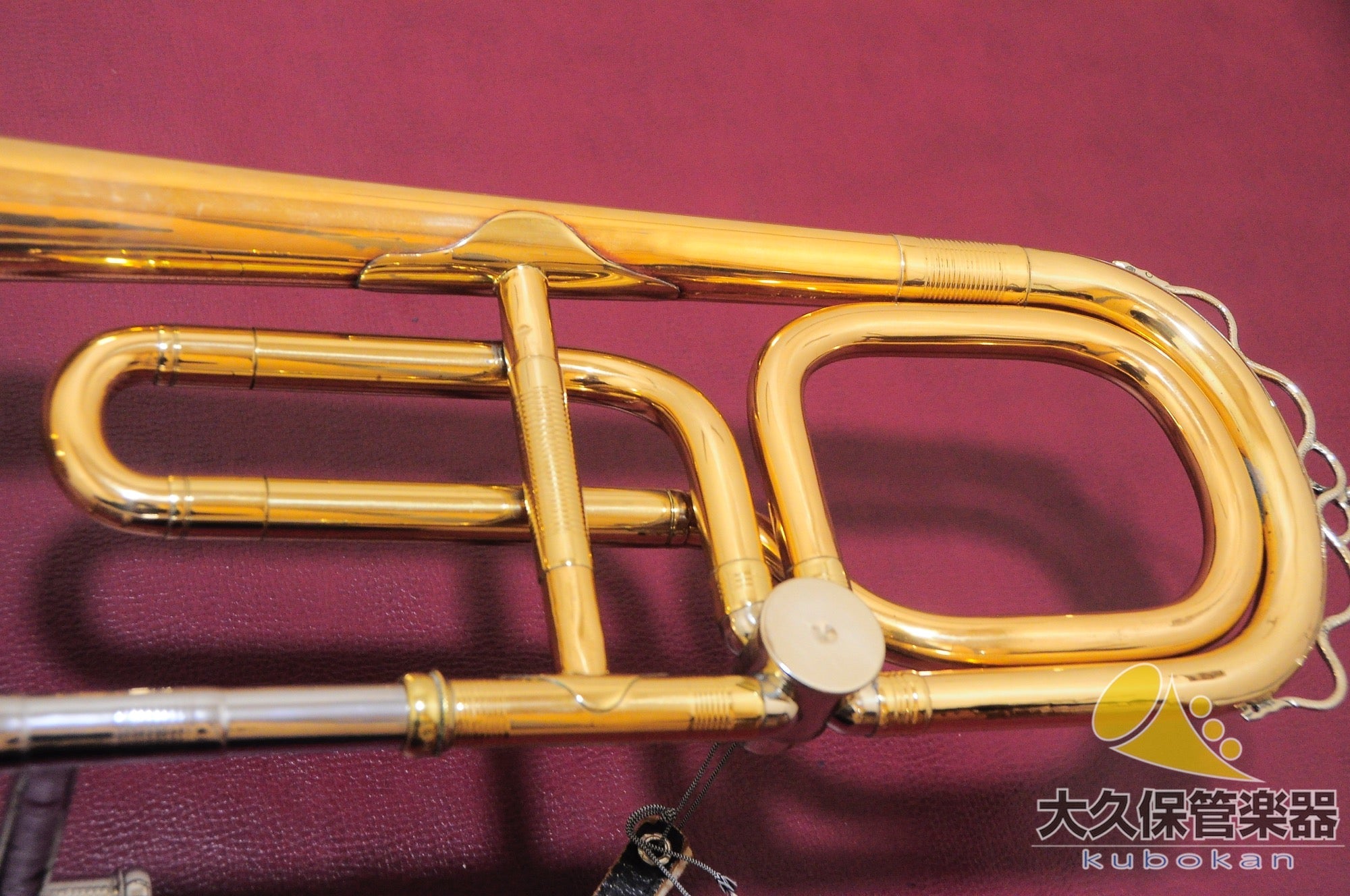
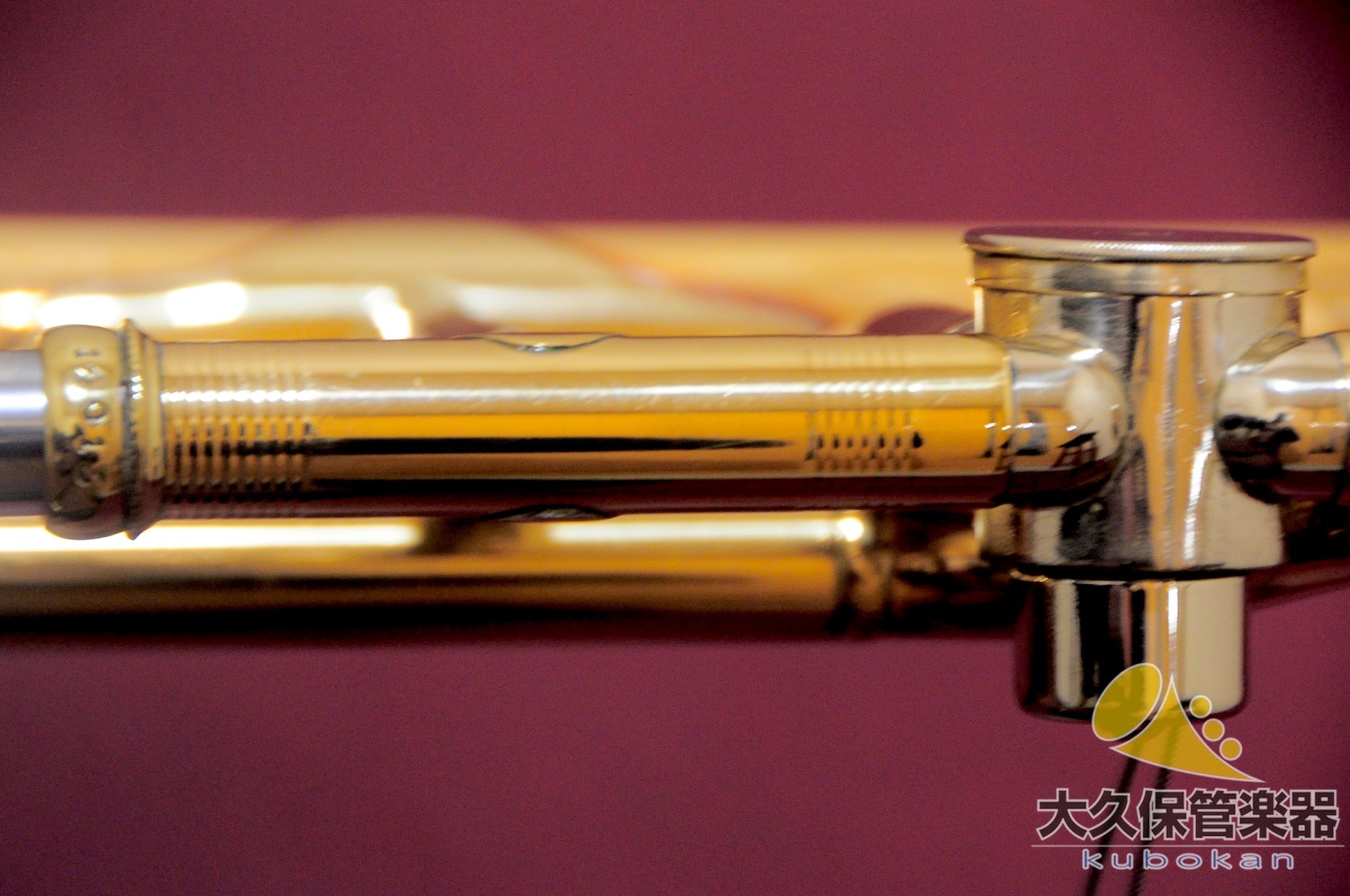
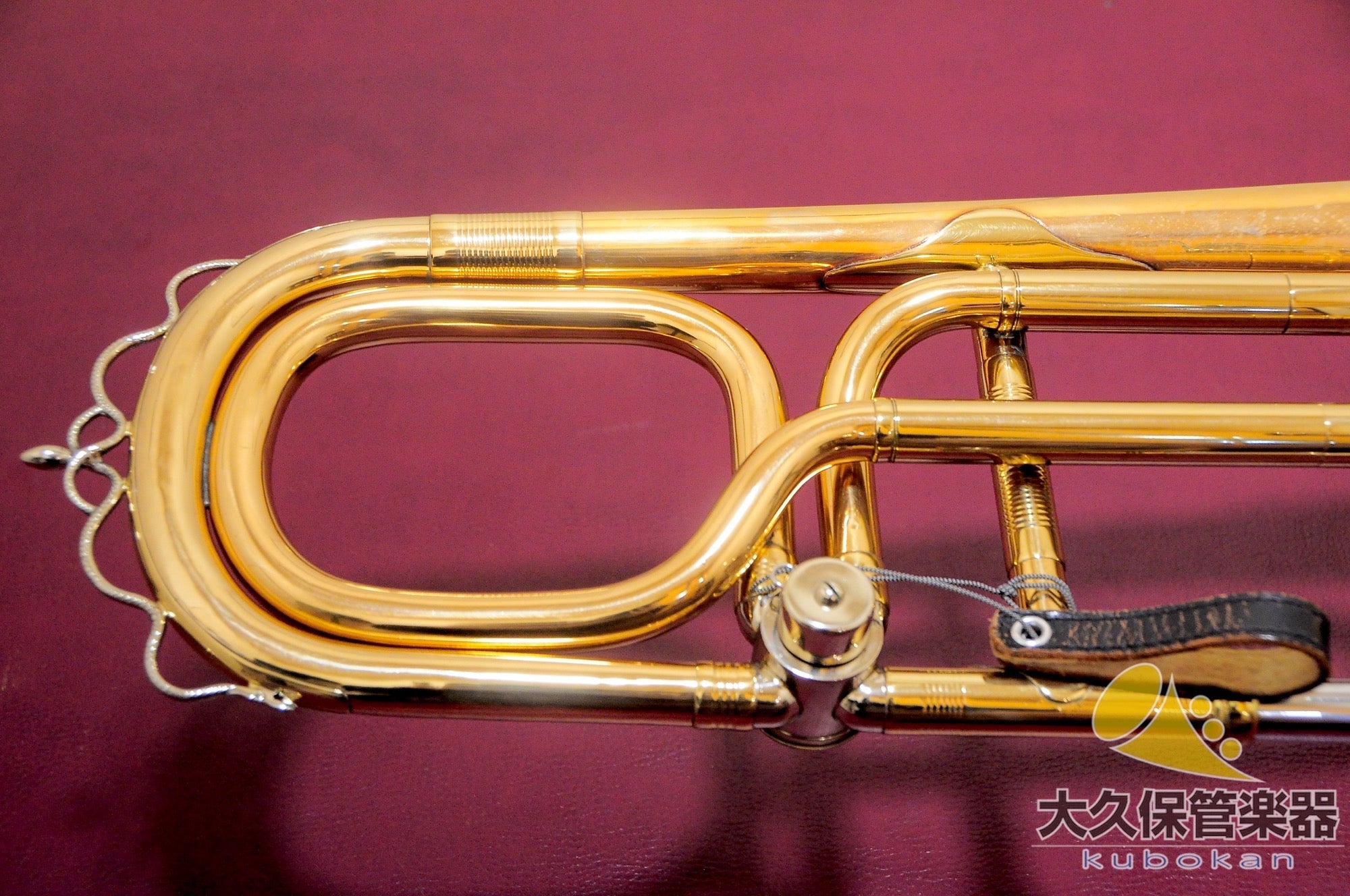
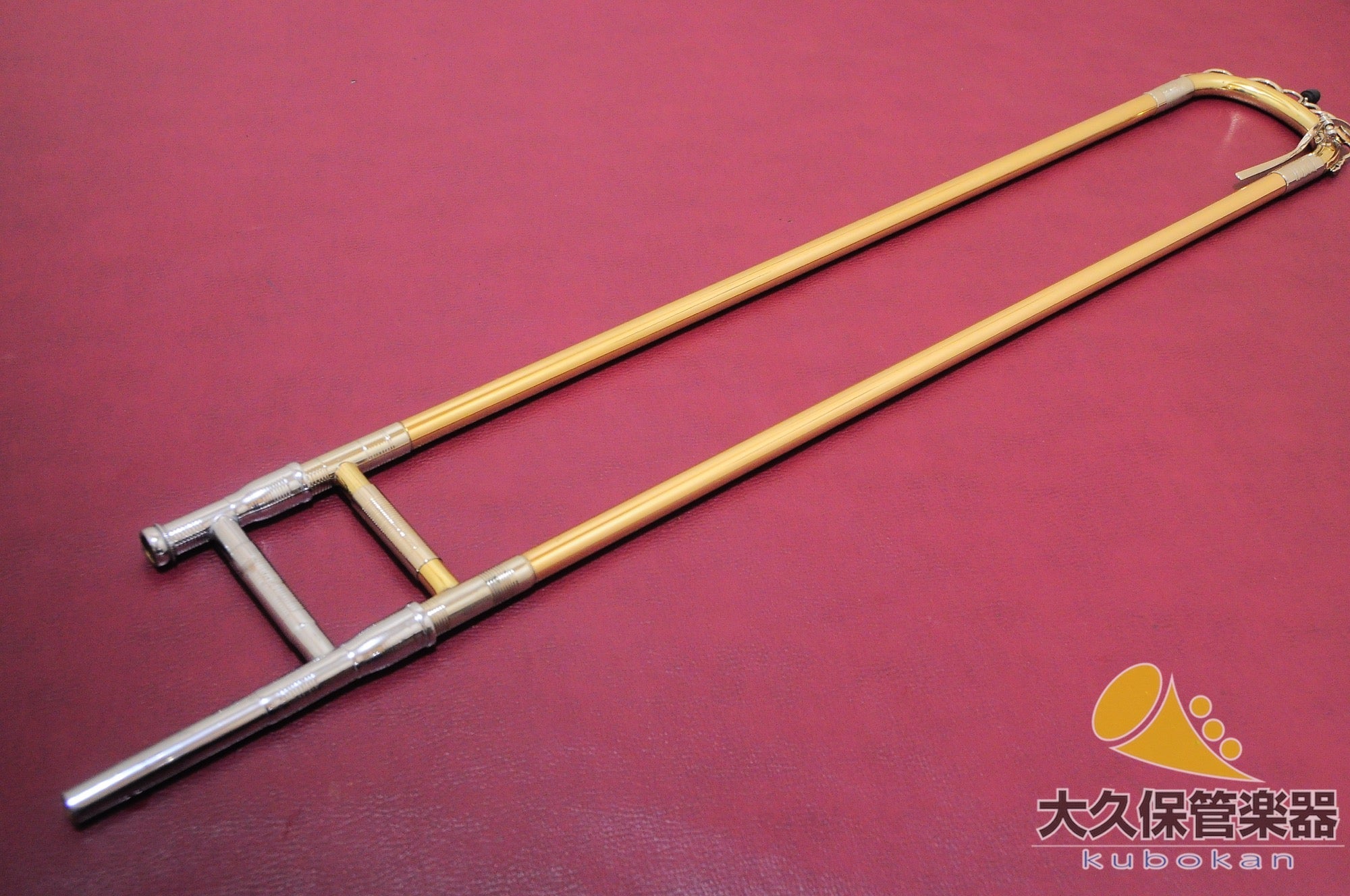
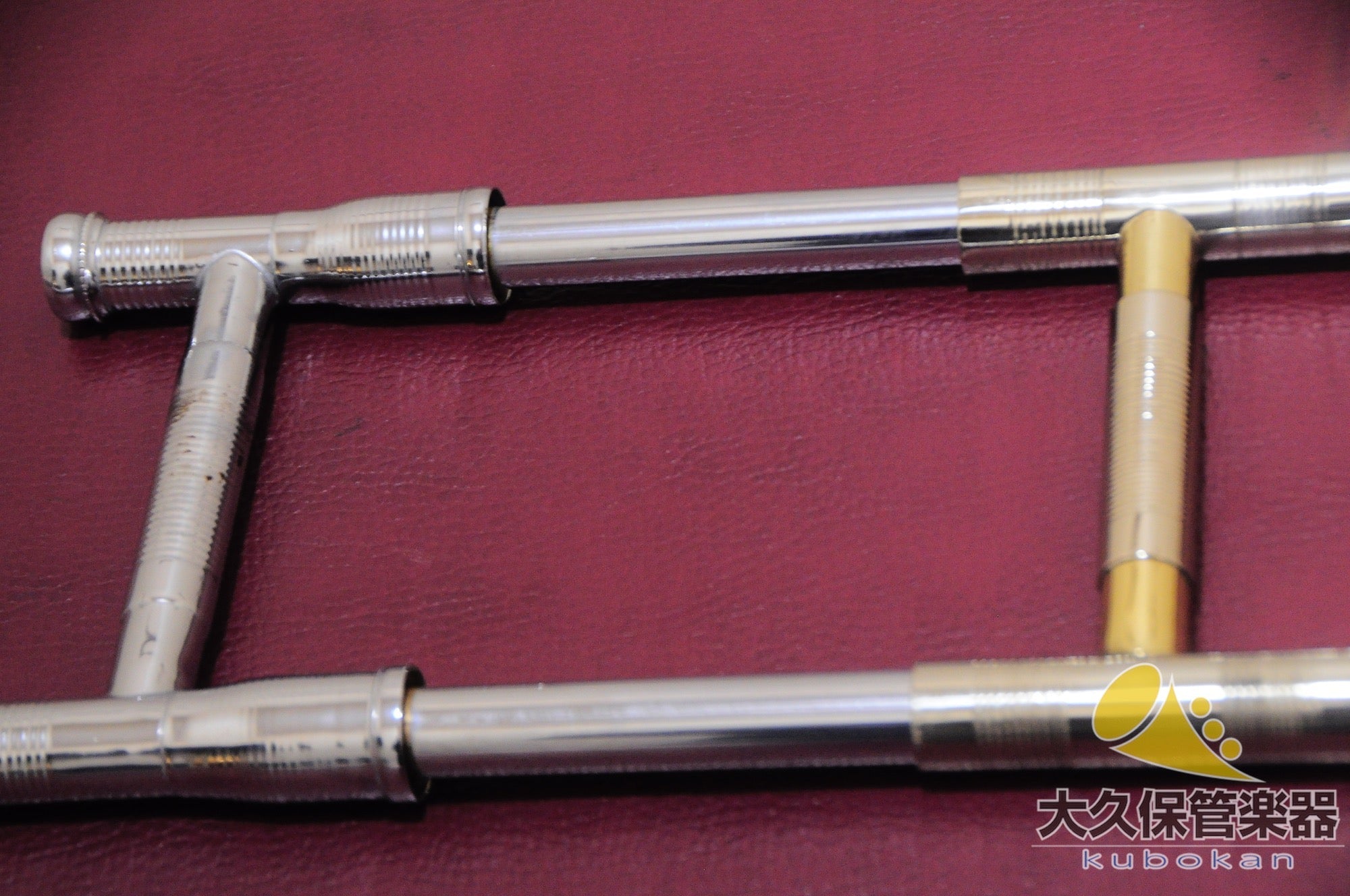
Robert Schopper tenor bass trombone. 232mm gold brass bell. Bell flange (trim): gold brass. Unlacquered. Bore: 13.2mm. F-tube bore: 14.1mm. Slide inner tube: gold brass; stocking section: nickel silver (chrome plated surface).Includes hard case (not original). Made in the 1910s.
[Condition]
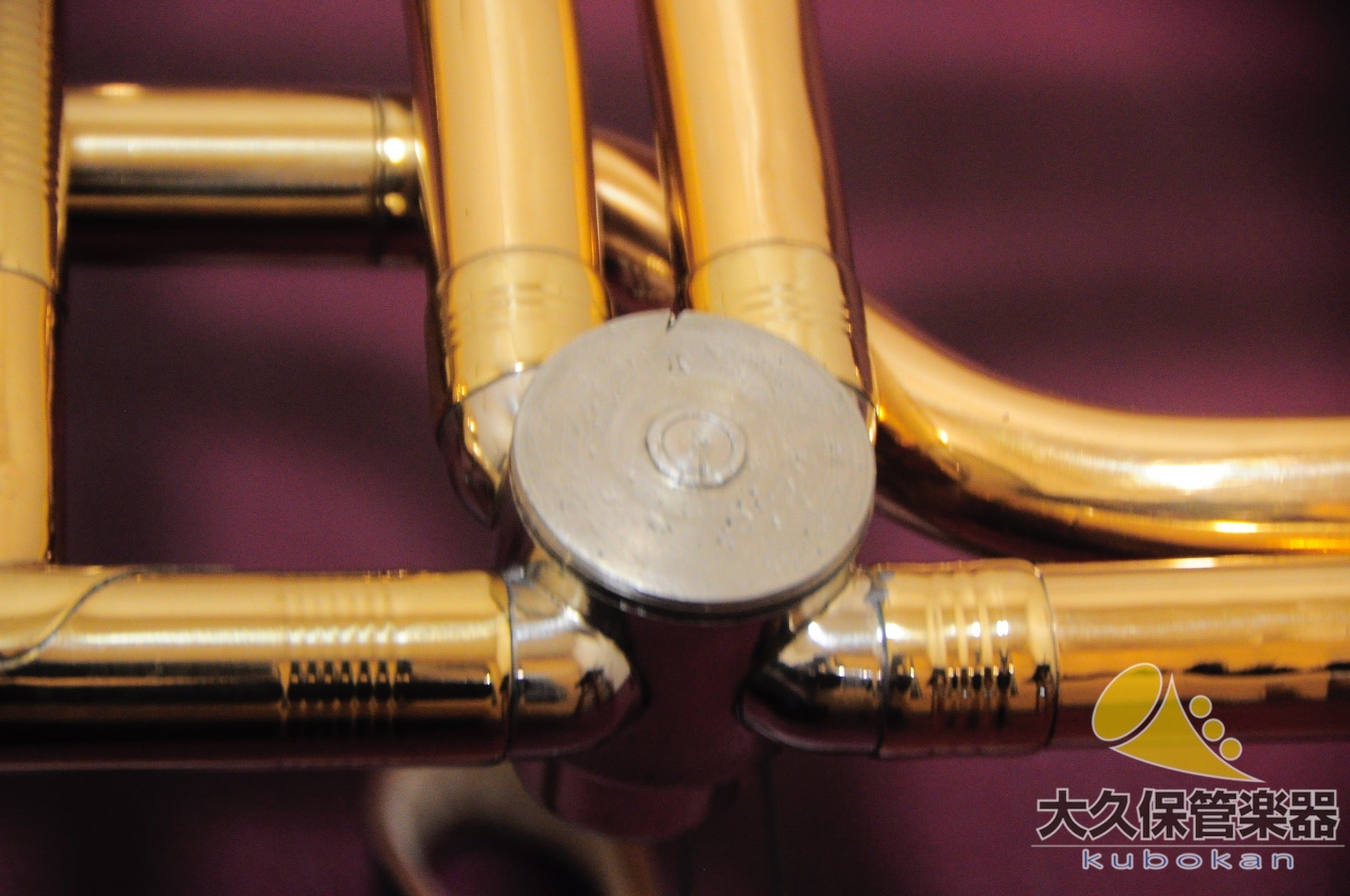
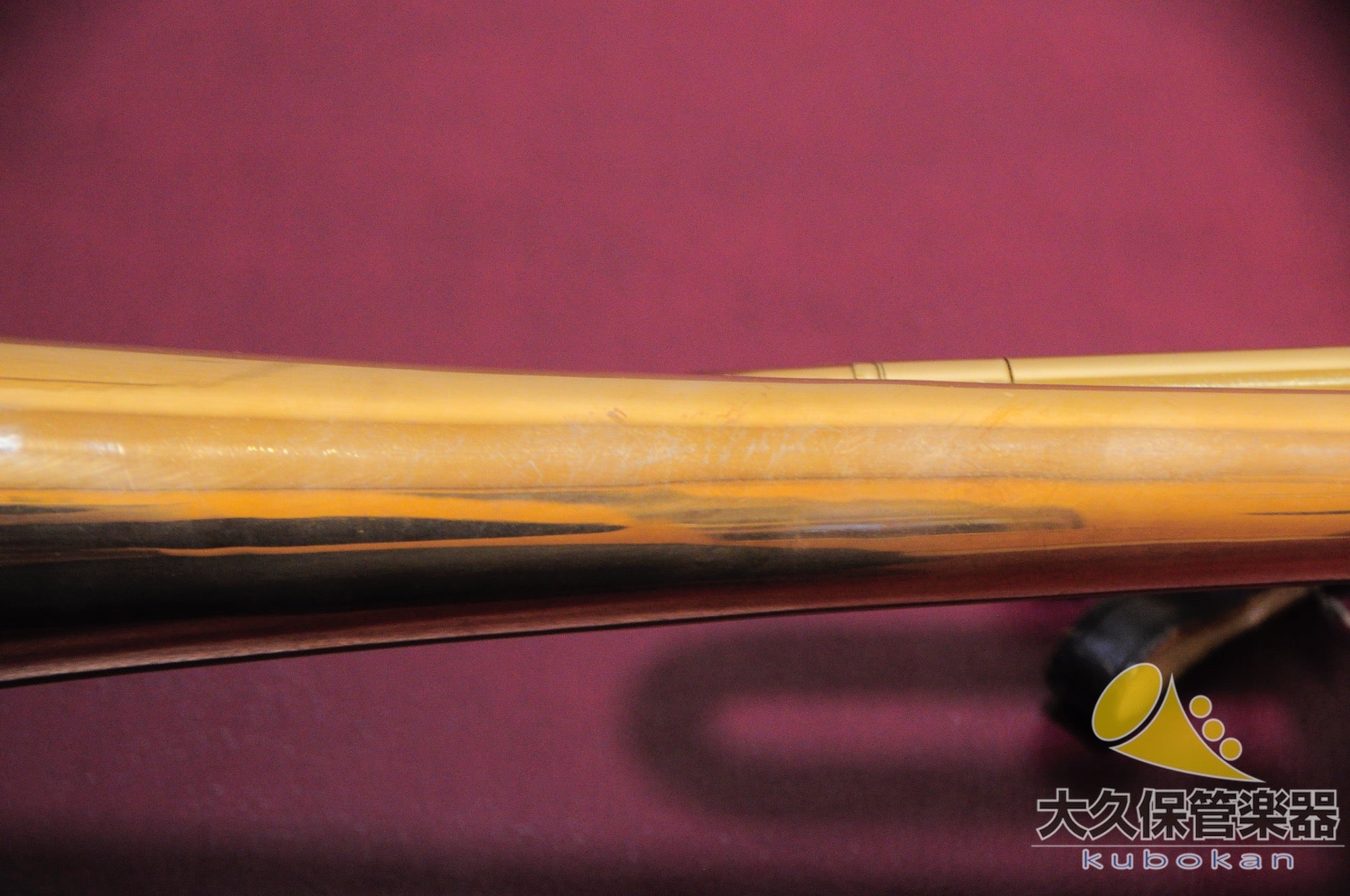
No noticeable scratches or dents in its current state, but scattered traces of past dent repairs ( ). A small disc is inserted where the rotary cap's recess interferes with the rotary shaft. (Rotary movement itself is unaffected.) The inner slide has been newly chrome-plated and is playable. However, please note it does not have the light action of modern trombones.(One side of the outer slide's crossbar is not fixed in place.)
[Features]
Robert Schopper, born in 1859 in Ardorf, Saxony.
He trained under Penzl, Zecche, Hilsbrunner, and F.A. Heckler, establishing his own workshop in Leipzig in 1888. He later received the title of Court Supplier and was one of the highly regarded master craftsmen of his time.
This instrument is a tenor bass trombone crafted by Schopper during his peak creative period in the 1910s.
The crowned hallmark and design retaining traces of handcrafted workmanship indicate it was a high-end, in-house production from that era.
The workshop was destroyed during the air raids of World War II. Very few examples survive today. The fact that this trombone retains its original form from that era makes it exceptionally valuable.
This instrument has endured over a century. Consequently, the weight and operation of its slides differ from modern designs; it is not an instrument prioritizing lightness. However, when tried by multiple professional players in the past, it received high praise for the quality of its resonance and the depth of its tone. While its character differs from modern instruments in terms of playability, it is an instrument that will truly respond to players who understand and engage with its unique characteristics.
And one more thing. This instrument also holds documentary value, telling the story of the mature period of German wind instrument making in the early 20th century. Design philosophy, machining techniques, material selection, engraving style—it embodies both practicality and historical significance.
We wish to quietly pass this instrument on to someone who resonates with this value.
※Please note that returns or exchanges for this item are not accepted except for defective products.