『 Carrying on tradition, resonating with the modern age."
The sound chosen by the Vienna Philharmonic today—Rechner trumpets.
[Overview]
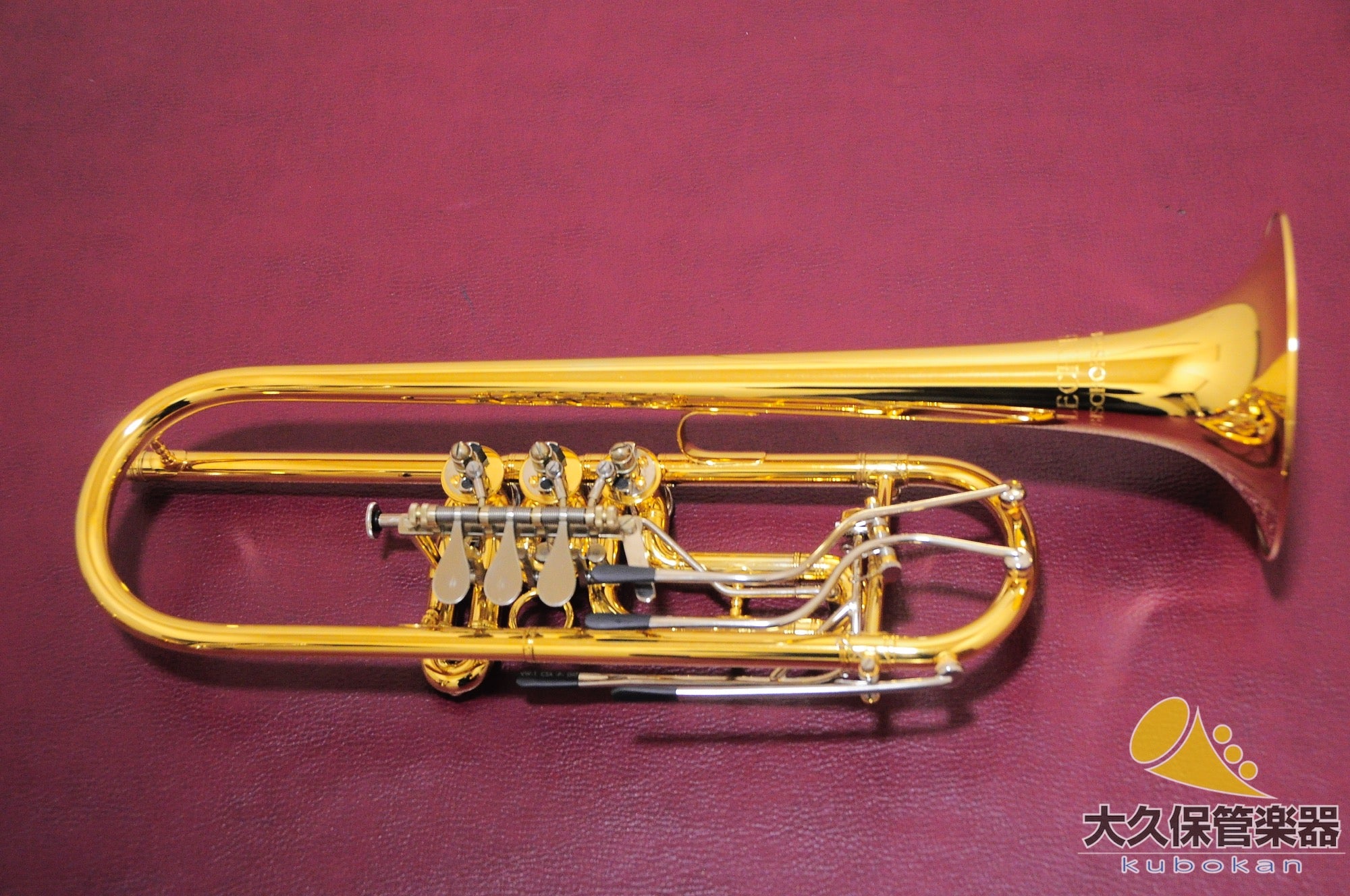
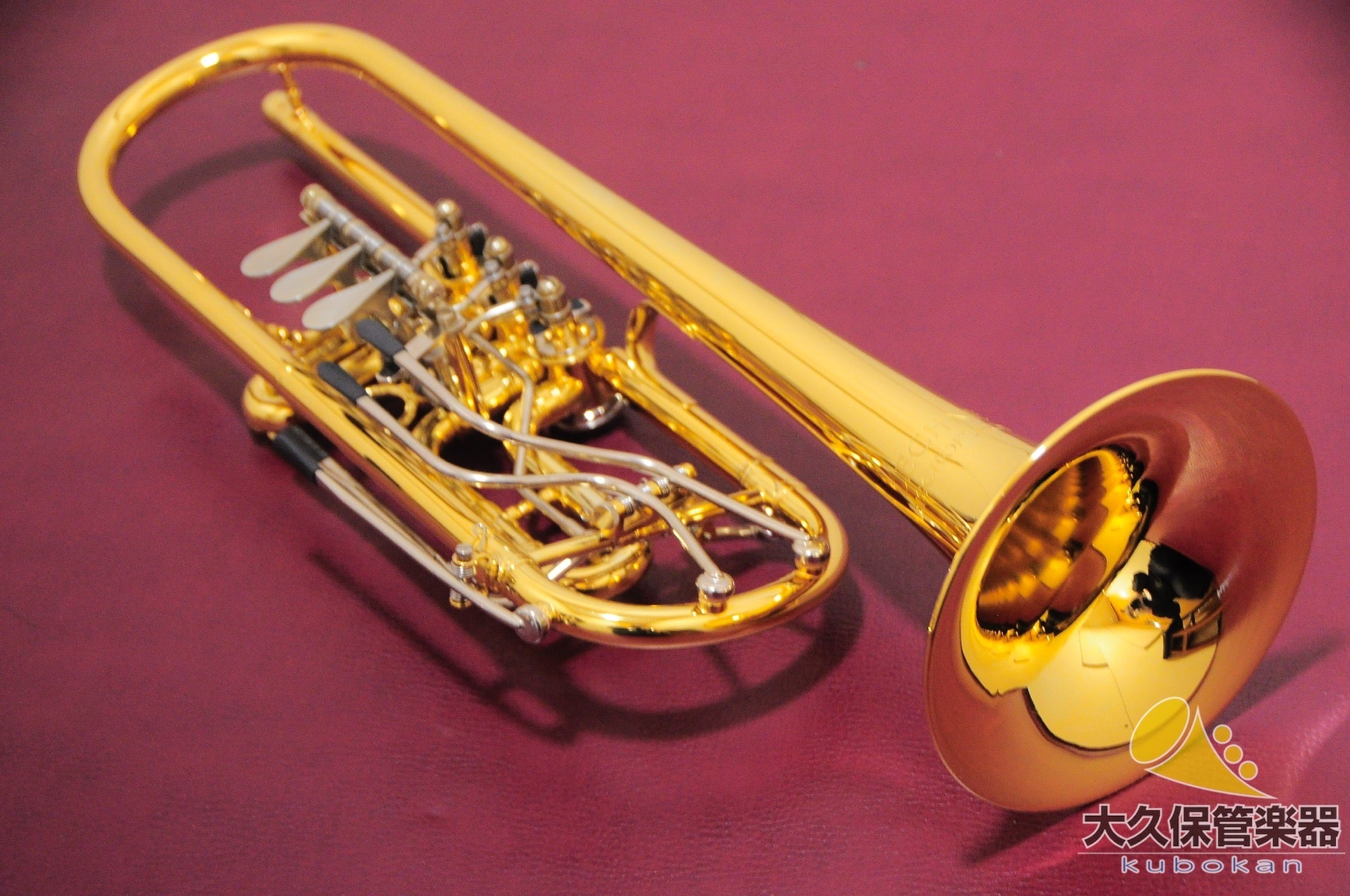
Lehner B♭ rotary valve trumpet. 130mm gold brass bell. Bell thickness 0.45mm (2 bells). No front bell support. Fully equipped main tuning slide with octave key. Gold-plated finish. Instrument weight 1121 grams. No case.Body only. List price: ¥1,362,900
[Condition]
Small scratch on rotary lever. Extremely minor shallow dent on bell flare > repaired. Otherwise, pristine condition with no noticeable scratches, dents, repair history, or plating wear. All rotaries disassembled and cleaned. Soft parts replaced. All tubes serviced.
[ Features]
When speaking of the Vienna Philharmonic's trumpet section, Heckel was the iconic symbol throughout the 20th century. Soft, naturally blending with strings and woodwinds—the legend that shaped the "Vienna sound." Within this tradition of using Heckel for nearly 50 years, Lehner emerged as a highly regarded choice for the next era.Rechner's concept is not a direct continuation of Heckel. However, by inheriting the essence of Heckel—softness, nuance, and a rounded resonance—while also providing the color, dynamic range, and functionality demanded by modern orchestras, it gained the successive endorsement of the Vienna Philharmonic's leading figures.Even after emerging manufacturers like Schagall gained attention, the Vienna Philharmonic ultimately chose Lehner as the instrument realizing "the new sound of Vienna" – combining Heckel's aesthetic qualities with modern expressiveness. Since its founding in 1978, the Vienna Philharmonic continues to use Lehner instruments to this day.
This instrument is a B♭ trumpet model, one of the rarer Lechner models available domestically. Its sound is quintessentially Lechner, radiating brilliance and splendor while retaining the soft, inclusive warmth characteristic of Vienna—an exquisite tone.Even in modern orchestras dominated by C trumpets, having this instrument on hand significantly expands your repertoire. It proves invaluable for pieces requiring the natural F, E, or E♭ notes, works specifying B♭ trumpets, and situations like ensemble or wind band performances where tonal diversity is desired.